1957 · Album
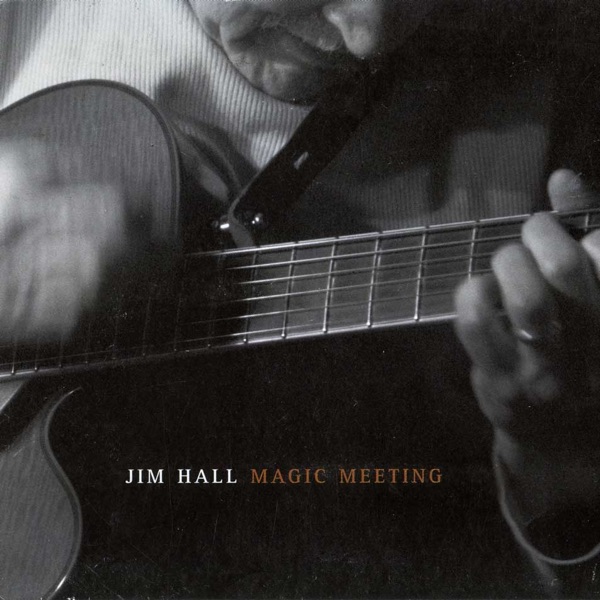
Magic Meeting
Recorded 1957 · Pacific Jazz Records · Produced by Richard Bock
Conversations Between Guitar and Piano
Hall and his collaborators create intimate dialogues that feel like real time problem-solving.
Magic Meeting captures Jim Hall early in his career, playing with a lightness and curiosity that defines the best of his work. This isn't a flashy album. There's no attempt to dominate or impress through technique alone. Instead, Hall treats the guitar like a conversation partner, listening as much as he plays, finding spaces where his dry, articulate tone can say something honest without overstatement. The rhythm section locks in tight, and the whole thing breathes with the kind of ease that only comes from musicians who genuinely like playing together.
What makes this record distinct is how restrained it feels. Hall's lines rarely sprawl or show off. He plays short, precise phrases that seem to pop out of nowhere and disappear just as quickly, leaving room for the next person to respond. The piano and bass don't fight for attention either—everyone seems aware they're part of something bigger than soloing. You can hear them listening to each other, reacting, building ideas together. Tracks move at conversational tempos where you can follow every thought. Nothing here feels rushed or overcooked.
This is a good entry point if you want to understand what Hall brought to jazz. His reputation for discretion and taste gets proven here—he never wastes a note, never plays something for ego. If you've heard his collaborations or his later work, Magic Meeting shows you where that aesthetic came from. It's not flashy enough to be immediately thrilling, but spend time with it and you'll hear why musicians respected him so deeply. This is a player comfortable in his own skin, making music with people he trusts.
Who's playing
Where next?
More by Jim Hall
All 46 albums →