The Quiet Mastery of Jim Hall's Guitar
Hall plays with a restraint and intelligence that makes every note feel necessary and true.
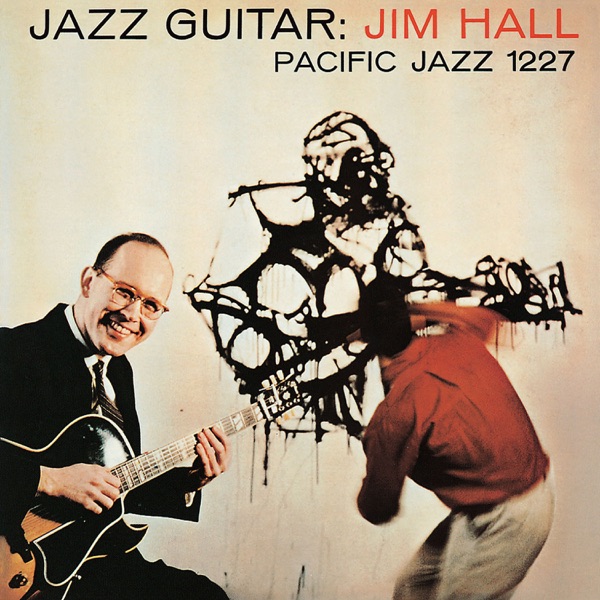
Jim Hall's Jazz Guitar (1959) is a straightforward document of what this guitarist could do when given space and trust. There's no showmanship here, no attempt to dazzle. Hall plays cleanly and thoughtfully, letting the guitar speak in its own voice rather than trying to prove anything. The album sits in that sweet spot where technical skill is completely invisible because it's being used for actual music-making instead of display.
What's striking is how Hall builds ideas rather than just executing them. On these tracks, you hear him thinking through phrases, testing harmonic territory, sometimes pulling back when a flashier player would push forward. The guitar has a warm, woody tone that comes through clearly in the recording—you're hearing the instrument itself, not processed through layers of studio magic. There's an intimacy to these sessions that rewards close listening. This isn't background music or practice tape documentation. It's intentional.
Early in Hall's career, this album established something important: that jazz guitar could be about conversation and restraint, not just speed and volume. It's worth seeking out if you want to understand why Hall's approach to the instrument influenced so many players who came after. Not flashy, not trying to change jazz overnight—just a musician with something real to say and the discipline to say it clearly. Start here if you're curious about Hall. It's honest work.
Who's playing
Where next?
More by Jim Hall
All 46 albums →



The musicians on this record
Their own records, close in time