The Jazztet's Urban Blueprint
Farmer and Golson built something lean and purposeful—no excess, just five musicians finding room to breathe.
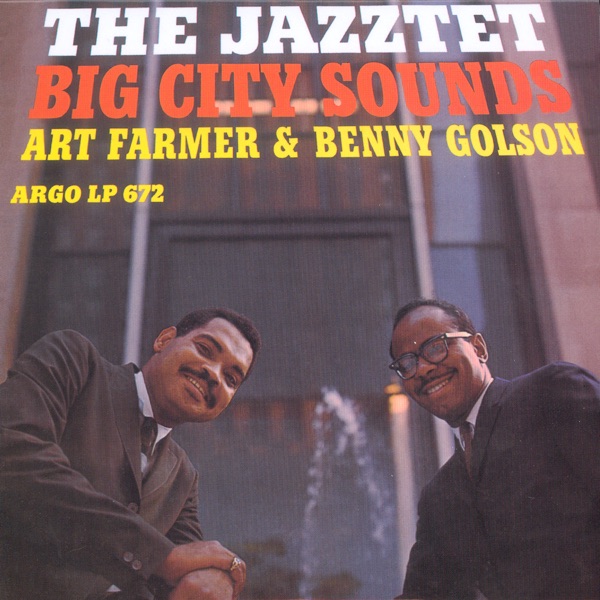
Art Farmer and Benny Golson formed the Jazztet early in Farmer's career, and Big City Sounds (1961) became the group's definitive statement. Where some co-led bands splinter into sidekick territory, this one landed on genuine partnership. Farmer's trumpet and Golson's tenor sax occupied different registers and tempos, each soloist pushing the other without collision. Cedar Walton on piano kept everything grounded—purposeful comping, never decorative. Tom McIntosh on trombone added a third voice that didn't crowd the front line; Tommy Williams and Tootie Heath locked into a rhythm section that swung without showing effort.
The sound is clean, almost austere by early-1960s standards. No orchestration, no strings floating overhead. Five men playing what amounts to chamber jazz with a pulse. Golson's writing for the ensemble—he was already an accomplished composer—gave shape to these sessions without sacrificing the solos. Farmer's tone is warm and direct, not flashy, which meant his ballads landed harder than a faster player's might have. This wasn't bebop nostalgia or free jazz provocation. It was jazz that believed in melody, structure, and collective listening.
The Jazztet never became a household name, which says more about jazz radio in the 1960s than it does about the music. Big City Sounds remains essential for anyone serious about small-group jazz at the turn of the decade. It's a better entry point than chasing individual Farmer or Golson solo records—this is where both players sounded most aligned.
Who's playing
Tommy Williamsbass
Cedar Waltonpiano
Benny Golsontenor saxophone
Art Farmertrumpet
Tom McIntoshtrombone
Albert “Tootie” Heathdrums
Where next?
More by Art Farmer
All 32 albums →


The musicians on this record
Their own records, close in time