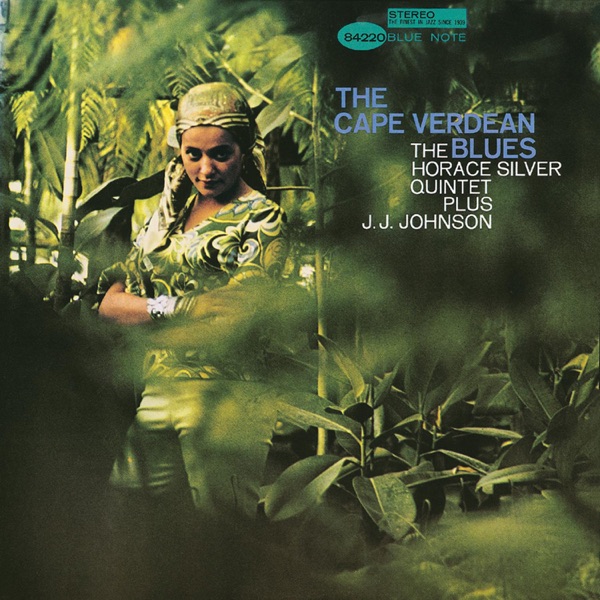
1968 · Album
Total Response (The United States Of Mind / Phase 2)
Recorded 1968 · Blue Note Records · Produced by Francis Wolf

Silver's Political Jazz Statement Gets Personal
Silver channels social consciousness into hard-swinging, soulful music that actually makes you want to move.
By the time Horace Silver recorded Total Response (The United States Of Mind / Phase 2), he'd already proven himself as both a bandleader and a composer with something to say. This album sits in an interesting middle ground in his career—not an early breakthrough, but not late work either. What makes it stand out is how directly Silver engages with the political and social moment without ever sacrificing the groove. These aren't protest songs with lyrics; they're instrumental pieces that somehow feel urgent anyway, driven by Silver's ability to make the piano sound like it's having a real conversation.
The material here is built on solid blues and soul foundations, which is where Silver's best work always lived. He doesn't get experimental or try to prove anything beyond his ability to write tunes that stick with you and swing hard. The rhythm section locks in tight, and there's a sense of purpose running through these pieces that lifts them above standard hard bop date material. Silver's own piano playing is direct and intelligent—he knows when to comping, when to push forward, when to leave space for others. He's not interested in showing off, just in making the music work.
If you're already familiar with Silver's catalog, this album rewards close listening. It's not his most celebrated record, but it deserves to be heard alongside his better-known work. If you're new to him, start with Moanin' (1958) or Song for My People (1964) first—those albums will give you a clearer entry point to why his music mattered. But once you understand what Silver was about, this one becomes essential for seeing how he continued to develop his voice and deepen his commitment to music that felt real.