The Sextet Experiment and a Farewell
Blakey's final studio session with Timmons captures a group expanding its sound right before everything shifted.
By 1961, Art Blakey and the Jazz Messengers had locked into a tight formula — hard-driving drums, burning horns, and Bobby Timmons on organ providing that soulful, blues-tinged foundation. This album breaks that pattern by adding a sixth member, enlarging the front line and giving the rhythm section more space to breathe. It's a deliberate move away from the leaner sound Blakey had perfected, and you can hear the band testing out what extra voices bring to the room. The energy is still there — Blakey's drumming is as focused and propulsive as ever — but there's less density, more air between the lines.
This is Timmons' last studio date with the group before Cedar Walton took over the organ chair. If that were the only footnote, it'd be a footnote. But the album itself holds up because Blakey surrounded himself with strong players who could handle the bigger canvas. The sextet format gives the soloists room to unfurl ideas without fighting for space, and there's a confidence in the execution that suggests Blakey knew what he was doing with the lineup, even if it was temporary. This isn't the album to start with if you're new to Blakey — his earlier trio and quartet records with Timmons have more punch — but if you've spent time with those, this one shows an artist not content to repeat himself, willing to rearrange the furniture even when the old setup was working fine.
In Blakey's output, this one sits at a quiet distance from his best-known work. It's solid, professional, and historically interesting as a bridge between eras, but it lacks the raw impact of his best work. Specialized interest rather than essential listening, but worth investigating once you've heard the records that define him.
Who's playing
Jimmy Merrittbass
Bobby Timmonspiano
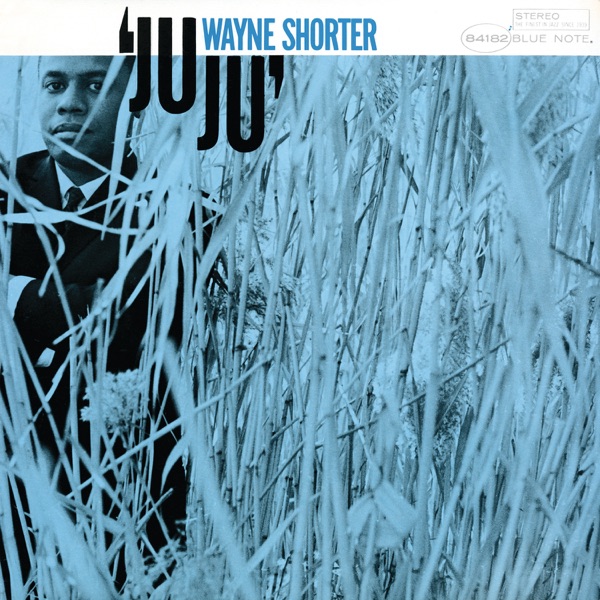
Wayne Shortertenor saxophone
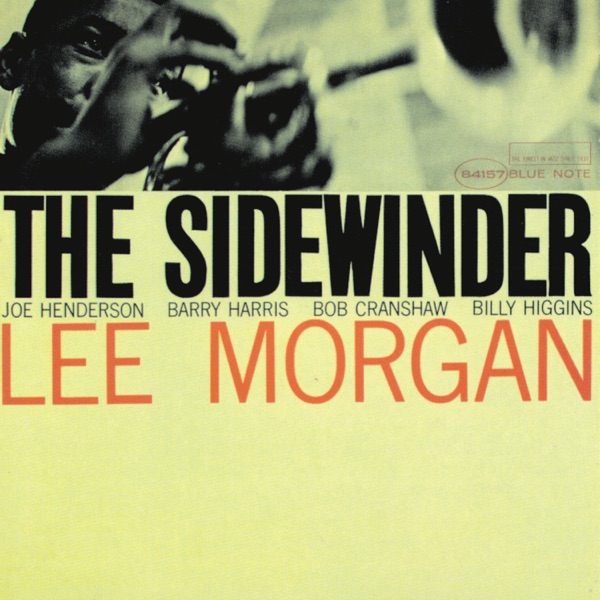
Lee Morgantrumpet
Curtis Fullertrombone
Art Blakeydrums
Where next?
More by Art Blakey
All 12 albums →


The musicians on this record
Their own records, close in time