1962 · Album
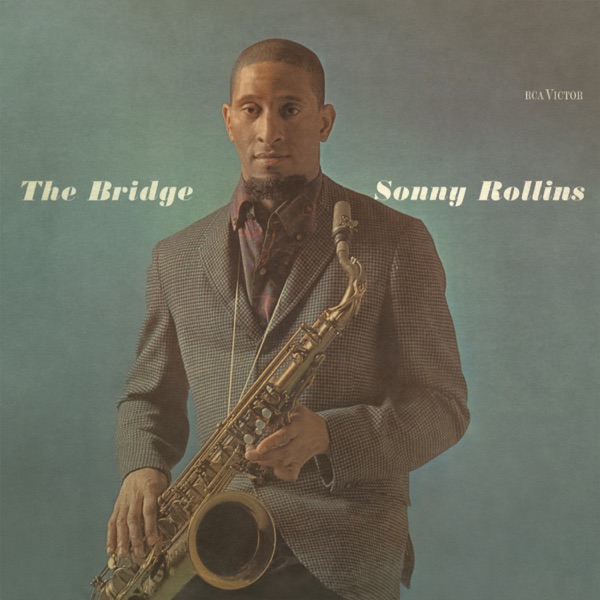
The Bridge
Recorded November 15, 1961 · RCA Victor · Produced by [Bob Thiele]
Rollins Crosses Over With Quiet Confidence
The Bridge shows Rollins making peace with the ballad while refusing to go soft.
By the late 1950s, Sonny Rollins had already proven himself one of jazz's most forceful voices, but The Bridge (1959) catches him in a reflective mood without apology. This isn't a departure so much as a detour—where his earlier work often bristled with hard-driving intensity, here he's interested in space, in what he doesn't play as much as what he does. The album leans heavily on standards and ballads, which surprised some listeners expecting the saxophonist's usual muscular approach. What makes it work is that Rollins brings the same intellectual rigor to "Autumn Leaves" and "You Are Too Beautiful" that he brought to his up-tempo showcases, treating the form like a puzzle to solve rather than a template to follow.
The rhythm section—featuring Jim Hall on guitar, Bob Cranshaw on bass, and Roy McCurdy on drums—creates an almost chamber-like intimacy across most of the album. Hall in particular deserves mention; his guitar work is conversational and lean, never fighting for space but always present. The two upbeat tracks, "Doxy" and "The Bridge," remind you that Rollins hasn't abandoned his harder edge, just chosen when to deploy it. The title track in particular feels like the thesis statement: a clean, uncomplicated melody that proves you don't need complexity to make something stick.
This album sits in an interesting spot in Rollins' catalog—not as essential as Saxophone Colossus (1956) or his later work, but more rewarding than its modest reputation suggests. It's the kind of record that rewards close listening rather than casual play. If you come to it expecting fireworks, you might walk away disappointed. But if you approach it as a conversation between serious musicians thinking through melody and space, you'll find there's plenty here worth hearing.
Who's playing
Bob Cranshawdouble bass
Jim Hallguitar
Sonny Rollinstenor saxophone
Ben Rileydrums
Harry "H.T." Saundersdrums
Where next?
More by Sonny Rollins
All 23 albums →


The musicians on this record
Their own records, close in time