1959 · Album
Sonny Rollins and the Contemporary Leaders
Recorded 1959 · Contemporary

The Last Classic Before the Silence
Rollins creates explorative and often witty improvisations on an unusual but inspired list of standards.
In 1959, Sonny Rollins walked into the studio with four West Coast musicians he'd never recorded with before — Hampton Hawes on piano, Barney Kessel on guitar, Leroy Vinnegar on bass, and Shelly Manne on drums — to cut what would be his last studio album of the decade. The lineup alone signals something deliberate. These were seasoned pros, comfortable with standards and chamber-like intimacy, which meant Rollins could abandon the hard-bop energy of his Blue Note sessions and try something different: standards played with the kind of exploratory freedom usually reserved for bebop. The results are disarming. Rollins doesn't decorate these songs; he dismantles them gently, finding angles and openings that make familiar material sound discovered rather than revisited. Hawes and Kessel trade spaces with him like equals, never pushing, never settling into groove patterns. Victor Feldman adds vibraphone to one track, softening the texture further.
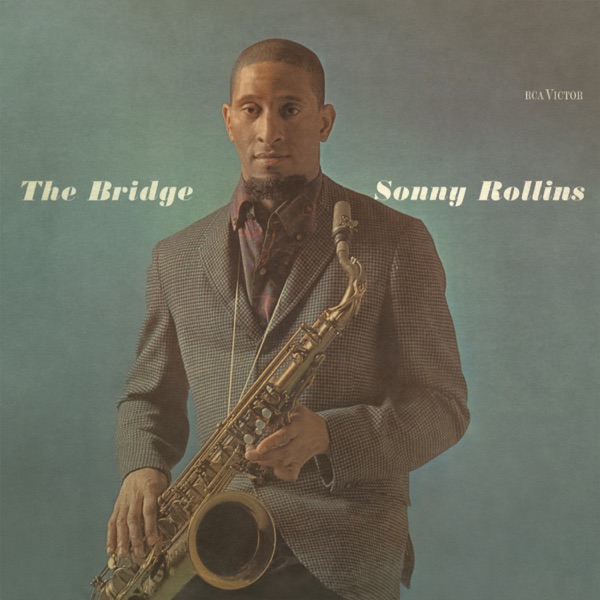
What makes this album stick is its refusal to showboat. Rollins was already famous, already proven — this record doesn't need to prove anything. The playing is witty without being clever, explorative without veering into self-indulgence. It's conversation among people who know how to listen. After this session, Rollins would tour Europe in spring 1959, then disappear from recording and performing for three years, a hiatus that ended only with The Bridge (1962). That silence makes this record feel like a punctuation mark: a moment when Rollins seemed completely satisfied with what he'd made.
Who's playing
Leroy Vinnegardouble bass
Hampton Hawespiano
Barney Kesselguitar
Sonny Rollinstenor saxophone
Shelly Mannedrums
Victor Feldmanvibraphone
Where next?
More by Sonny Rollins
All 23 albums →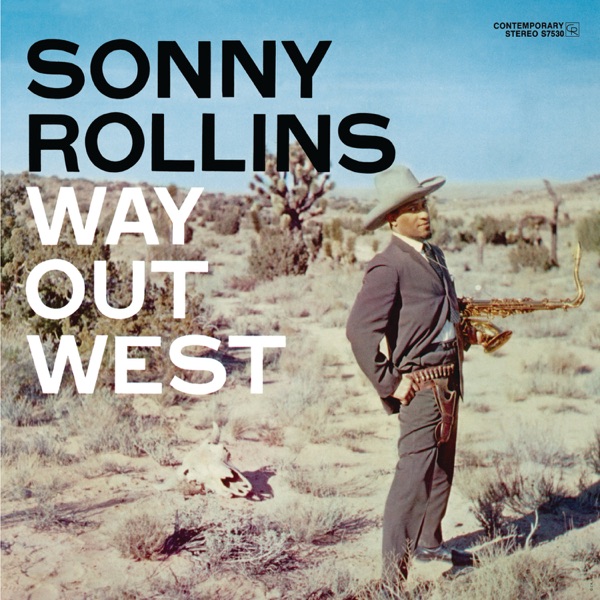


The musicians on this record

The Drum Sessions 1975
Shelly Manne
plays drums (drum set) here
plays drums (drum set) here

For Real! 1961
Hampton Hawes
plays piano here
plays piano here
Barney Kessel, Volume 1: Easy Like 1956
Barney Kessel
plays guitar here
plays guitar here


