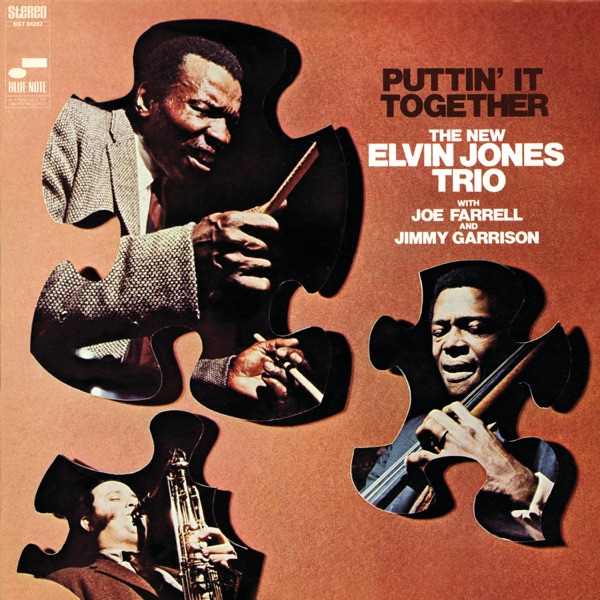
1958 · Album
A Night at the Village Vanguard
Recorded November 3, 1957 · Blue Note · Venue: Village Vanguard, New York City

Rollins Live in the Vanguard's Tight Room
Rollins stretches out over two sets at the Village Vanguard, playing with the kind of freedom that only comes from real time.
On November 3, 1957, Sonny Rollins brought his tenor saxophone into the Village Vanguard, that narrow basement club in Greenwich Village where the bandstand was barely wide enough for a working group. The room was small, the crowd close, and the tape machine rolling. What came out over two sets that night captures something you can't fake: a saxophonist in his own element, playing without a net, with Wilbur Ware on bass and two drummers taking turns—Elvin Jones and Pete La Roca—keeping the time elastic and responsive.
This was Rollins at a peak moment, confident enough to stretch a standard into something unrecognizable, to chase an idea through multiple choruses and find something new each time around. The rhythm section doesn't lay back; they lock in tight and push. Ware's bass is driving, muscular. The drummers trade approaches—Jones bringing intensity and speed, La Roca offering precision and swing. There's no padding, no second takes, no overdubs. What you hear is a working band in front of a paying audience, playing hard and playing straight.
The album became one of Blue Note's essential live documents, the kind of record that defined what a tenor saxophone could do in real time. If you want to hear Rollins before he became a legend in retrospect, when he was simply the best horn player in the room on a given night, this is where to start.
Who's playing
Wilbur Waredouble bass
Donald Baileydouble bass
Sonny Rollinstenor saxophone
Elvin Jonesdrums
Pete La Rocadrums
Where next?
More by Sonny Rollins
All 23 albums →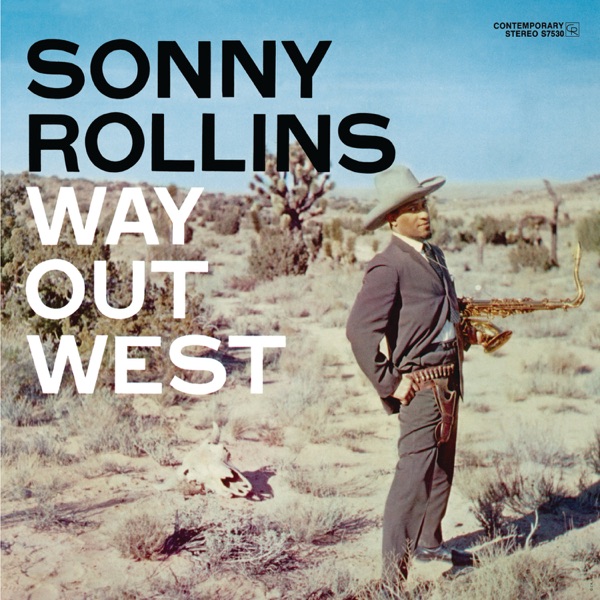
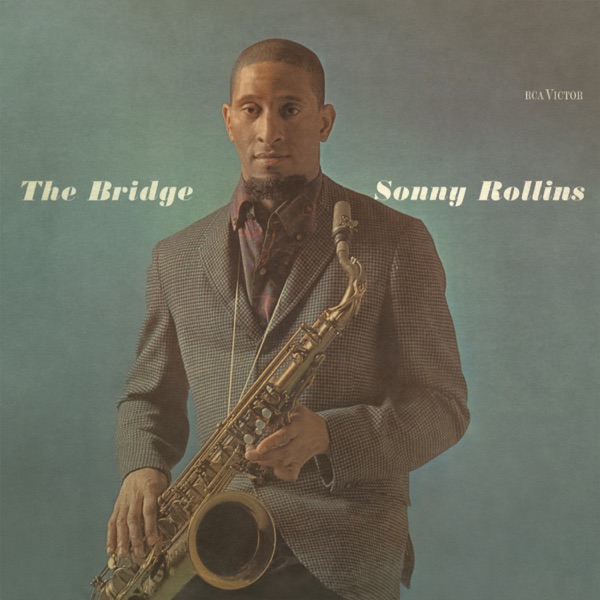


The musicians on this record
Their own records, close in time