1959 · Album
The Shape of Jazz to Come
Recorded May 22, 1959 · Atlantic Records · Produced by Nesuhi Ertegun

When Ornette Rewrote the Rules
Coleman and his quartet stripped jazz down to its essence and rebuilt it from scratch.
When Ornette Coleman walked into Radio Recorders in Hollywood on May 22, 1959, he brought a quartet that didn't sound like any other jazz group working at the time. Don Cherry on trumpet, Charlie Haden on bass, Billy Higgins on drums — and Coleman himself on alto sax. The Shape of Jazz to Come was their first album together, and it announced that the old rules about chord changes, tempos, and harmonic structure were optional.
What you hear across these tracks is jazz stripped down and rebuilt. There's no piano, which matters — that missing harmonic anchor forces everyone to listen harder to each other. "Lonely Woman" is probably the most immediately accessible piece here, spare and melancholic, Cherry's trumpet conversational rather than flashy. Then there's "Ramblin'" and "Congeniality," where the band finds grooves that feel looser and more open than the bebop and hard bop Coleman had played before. The rhythm section doesn't lock into a steady beat the way you'd expect; instead Haden and Higgins float underneath, responding to what Coleman and Cherry are doing. It can feel chaotic the first time through — in the best way.
This is the album that matters most in Coleman's catalog, the one where everything he'd been thinking about finally crystallized into something listeners could actually hear. It's also harder than his earlier work, more demanding, because there's less structure to hold onto. Start here if you want to understand why he mattered. But go in knowing it won't click immediately — it's not designed to. The album was meant to give people "an idea about the uniqueness" of what Coleman was doing, and on that count it succeeded completely.
Who's playing
Where next?
More by Ornette Coleman

New York Is Now 1968

Something Else!!!! The Music of Ornette Coleman
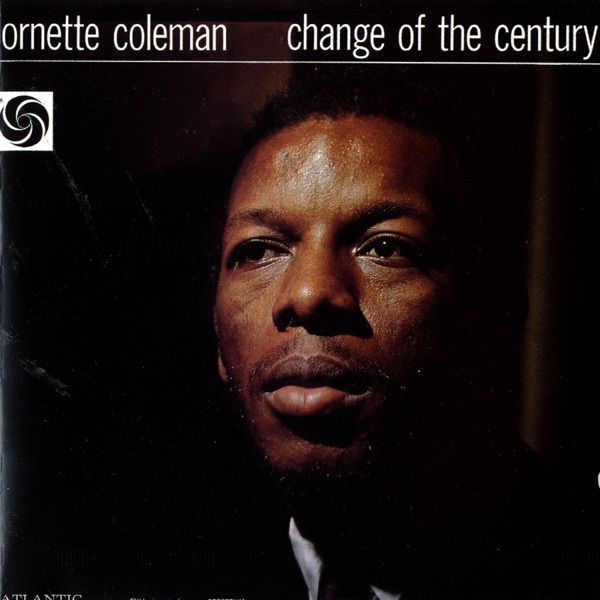
Change of the Century 1960

Tomorrow Is The Question! 1959
The musicians on this record
♫
Rejoicing 1984
Charlie Haden
plays double bass here
plays double bass here

The Avant-Garde 1966
Don Cherry
plays cornet here
plays cornet here
♫
The Oracle 1989
Billy Higgins
plays drums (drum set) here
plays drums (drum set) here


