1968 · Album
New York Is Now
Recorded 1959 · Atlantic Records · Produced by Nesuhi Ertegün

Freedom's Sound Takes Shape in Manhattan
Ornette Coleman's vision of harmonic liberation finds its clearest voice yet on New York Is Now.
By the time Ornette Coleman recorded New York Is Now (1959), he'd already spent years fighting for space to play his music. This album captures him at a pivotal moment—no longer an outsider in Los Angeles trying to prove something, but now in New York, where the jazz establishment couldn't ignore him anymore. The record documents what happens when an artist finally gets to show what he's been talking about all along, without apology or compromise.
What makes this different from his earlier work is the confidence in the execution. The band sounds like they've lived inside these ideas long enough to breathe naturally within them. Coleman's alto saxophone moves with absolute clarity, his phrasing cutting against the grain of conventional swing without sounding like he's fighting it. The rhythm section isn't locked into traditional walking patterns, but they're not chaotic either—there's a listening happening, a conversation where everyone's hearing the same invisible architecture. Tracks like "Ramblin'" and "Tears Inside" show Coleman moving toward something less about rejecting the past and more about building something genuinely new from scratch.
This isn't his most experimental recording, and that's exactly the point. New York Is Now (1959) works as a statement because it's digestible without being diluted. If you've been curious about Coleman but found some of his wilder sessions difficult to enter, this is a better starting place than diving straight into his most abstract work. It's where his ideas have clarity without losing their edge, where you can actually hear why musicians and listeners started taking him seriously as something more than a novelty act with an unusual horn.
Who's playing
Where next?
More by Ornette Coleman

The Shape of Jazz to Come 1959

Something Else!!!! The Music of Ornette Coleman
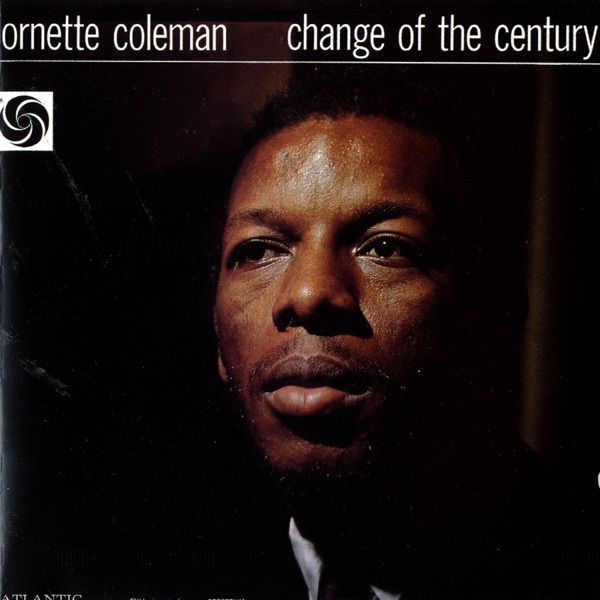
Change of the Century 1960

Tomorrow Is The Question! 1959
The musicians on this record

Dear John C. 1965
Elvin Jones
plays drums (drum set) here
plays drums (drum set) here
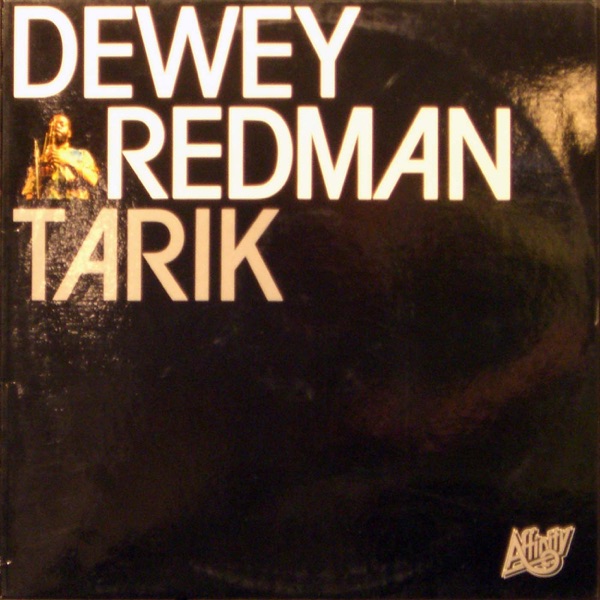
Tarik 1970
Dewey Redman
plays tenor saxophone here
plays tenor saxophone here


