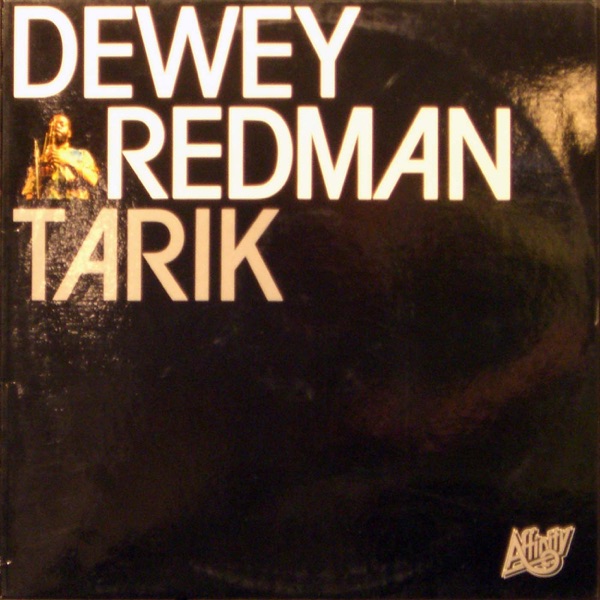
Redman Swinging Hard in the Avant-Garde
Redman proves the avant-garde doesn't mean you have to stop swinging.
Tarik opens with a tone so full and warm it feels like walking into a room where the heat is already on. Redman's saxophone dominates these sessions — a big, generous sound that moves through free passages and then locks back into a groove with the kind of authority you don't expect from a player willing to venture into unconventional territory. The music breathes. There are moments of open exploration where the rhythm section spaces out and Redman floats, but the pull toward swing is constant. He doesn't abandon it; he expands it.
This is Redman doing what made him stand out among the free players: refusing to choose between freedom and pocket. Where some avant-garde musicians treated the swing feel like a relic, Redman kept it alive as one color among many. The album swings hard when it needs to, veers into abstraction without losing its footing, and never sounds precious or overthought. His ideas come fast and emotional but remain logical enough to follow. There's generosity in the playing — a sense that he's inviting you in rather than showing off.
If you want to hear what happens when a saxophonist has one of the biggest tones in jazz and refuses to waste it on a single approach, Tarik is exactly what you're looking for. It's the sound of a player secure enough in his musicianship to explore without proving anything. Scott Yanow's assessment of Redman as one of the most accessible avant-garde players holds up completely here.
Who's playing
Where next?
More by Dewey Redman
All 21 albums →

The musicians on this record
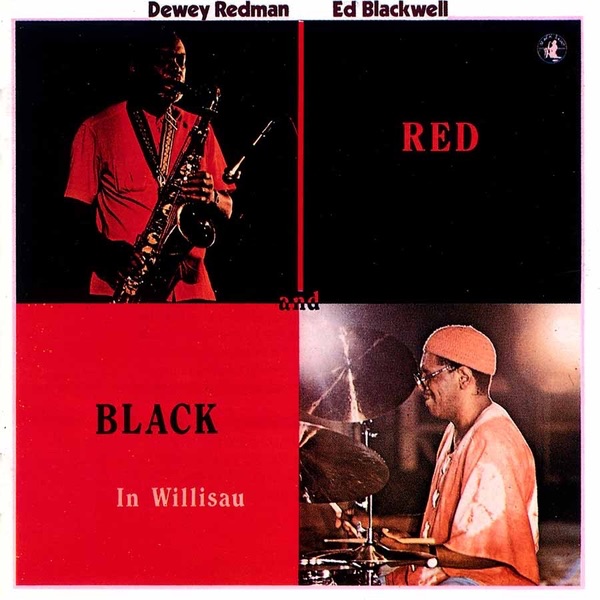
Their own records, close in time


