1959 · Album
Tomorrow Is The Question!
Recorded 1959 · Atlantic Records · Produced by Nesuhi Ertegun

The Question That Changes Everything
Coleman asks us to forget what we think jazz should sound like and just listen.
When Ornette Coleman walked into the studio to make Tomorrow Is The Question! (1959), he was carrying something nobody had asked for: a completely different idea about how jazz could work. This is his debut album, and it announces itself like a door opening onto an unfamiliar room. The music doesn't swing the way people expect. There's no walking bass line anchoring everything. Instead, Don Cherry shadows Coleman's plastic alto saxophone with a cornet that seems to float in the same space, and the rhythm section — Percy Heath on bass and Ed Blackwell on drums — feels more like it's responding to the melodic ideas than driving them forward. Tracks like the title tune and "Foregone Conclusion" sound almost like two musicians having a conversation, where neither one is waiting for the other to finish.
What's striking is how natural this sounds once you adjust your ear. Coleman isn't being difficult or avant-garde in a calculated way. He's just playing what he hears, and he's found musicians willing to follow him into that space. Cherry in particular seems to understand exactly what Coleman wants — there's a telepathy between them that makes you wonder if this is really the first time they're playing together. The rhythm section doesn't fight it; they support it, though you can hear Blackwell especially working hard to find a way in. Some moments feel raw, even rough — this isn't a polished session — but that rawness is part of why it matters.
The album exists at a turning point, though Coleman himself wouldn't fully know it yet. This record will matter to musicians who come after him because it proves you don't need to follow the rulebook. It's not a perfect album — some ideas don't quite land, and you can feel everyone still figuring things out — but that uncertainty is honest. By the time you finish listening, you understand why the question in the title isn't rhetorical. It's serious.
Who's playing
Where next?
More by Ornette Coleman

The Shape of Jazz to Come 1959

New York Is Now 1968

Something Else!!!! The Music of Ornette Coleman
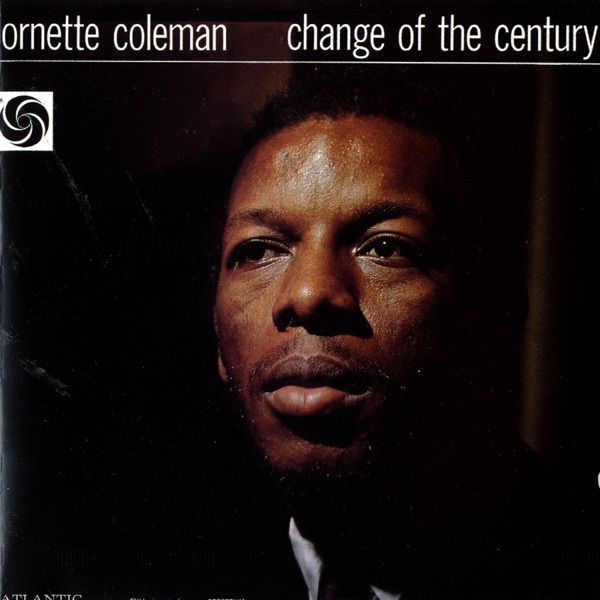
Change of the Century 1960
The musicians on this record

The Avant-Garde 1966
Don Cherry
plays trumpet here
plays trumpet here

The Drum Sessions 1975
Shelly Manne
plays drums (drum set) here
plays drums (drum set) here


