1963 · Album
No Room for Squares
Recorded March 7 and October 2, 1963 · Blue Note · Produced by Not specified in provided source material

Two Pianos, One Vision of Hard Bop
Mobley recorded twice in 1963, mixing pianists and trumpeters in sessions that still sound gritty and uncompromising.
No Room for Squares captures Hank Mobley in a working mode — two separate recording dates, two different rhythm sections, but the same unfussy hard bop approach that defined his best work. What stands out is the piano work. Having both Andrew Hill and Herbie Hancock on the same album, recorded months apart, lets you hear how differently two pianists can anchor the same saxophonist. Hill brings a sparse, angular touch; Hancock delivers the rounder, more swinging touch he'd become famous for. Mobley sits right in the middle of both approaches and sounds equally at home.
The session mix also matters. Lee Morgan and Donald Byrd are both present across the October and March dates, but rarely in the same configuration. This keeps the album from feeling repetitive, even though Mobley's tone and phrasing remain consistent — which is exactly what you want from a saxophonist. AllMusic reviewer Thom Jurek rated it 4 stars and nailed what makes this work: "All eight cuts here move with similar fluidity and offer a very gritty and realist approach to the roots of hard bop." The Jazz Journal called it "often inspired," and they're right. There's no reaching here, no attempt to sound more modern or intellectual than the music demands.
This isn't Mobley's flashiest record or the one most people start with. But if you already know his sound and want to hear him with top-tier partners in a no-nonsense hard bop setting, this album delivers exactly that. The October 2 session especially, captured completely for the first time on the 1989 CD reissue, shows a band that knows what it's doing and has no interest in anything else.
Who's playing
John Oredouble bass
Butch Warrendouble bass
Andrew Hillpiano
Herbie Hancockpiano
Hank Mobleytenor saxophone
Lee Morgantrumpet
Donald Byrdtrumpet
Philly Joe Jonesdrums
Where next?


The musicians on this record
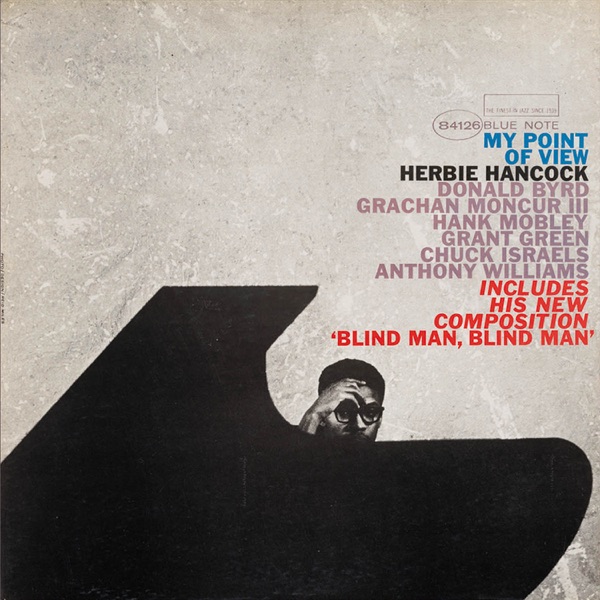
My Point of View 1963
Herbie Hancock
plays piano here
plays piano here

Cornbread 1965
Lee Morgan
plays trumpet here
plays trumpet here

Black Fire 1964
Andrew Hill
plays piano here
plays piano here

Byrd in Flight 1960
Donald Byrd
plays trumpet here
plays trumpet here


