Havana's Loudest Experiment
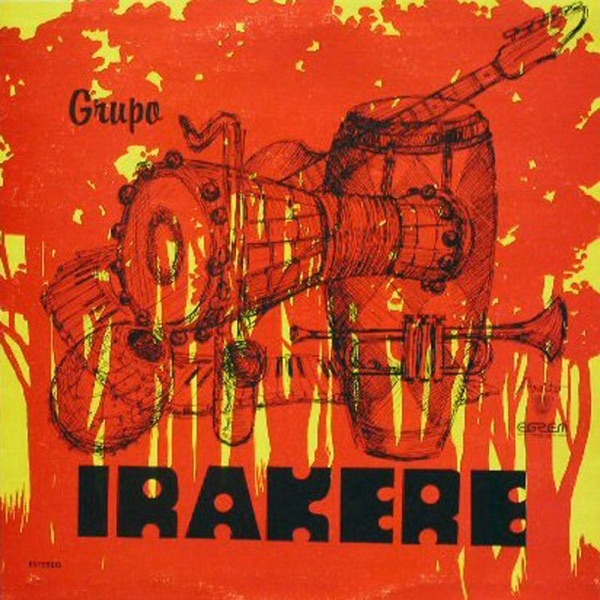
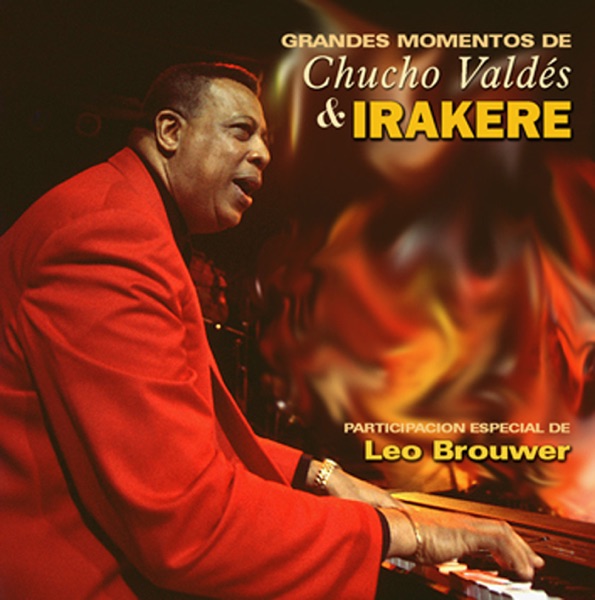
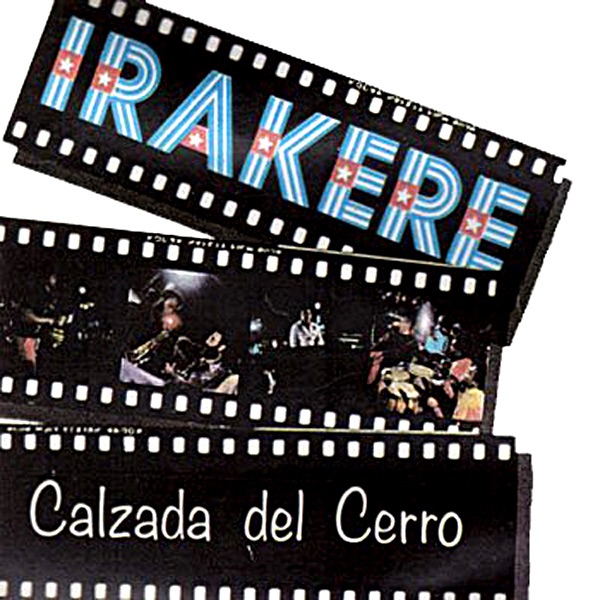
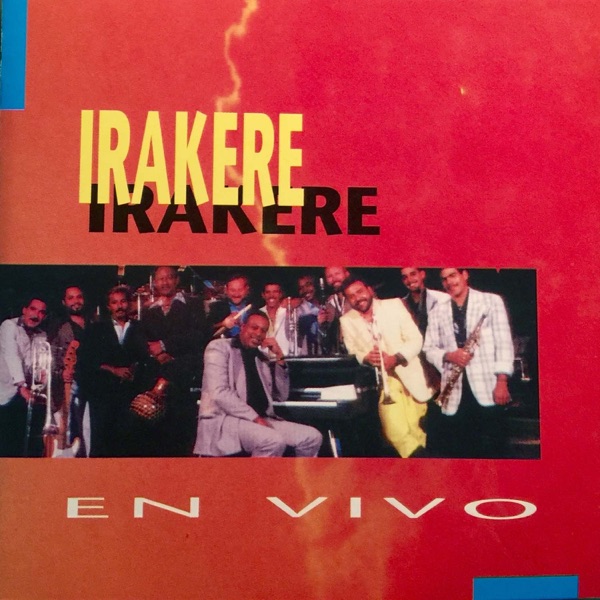
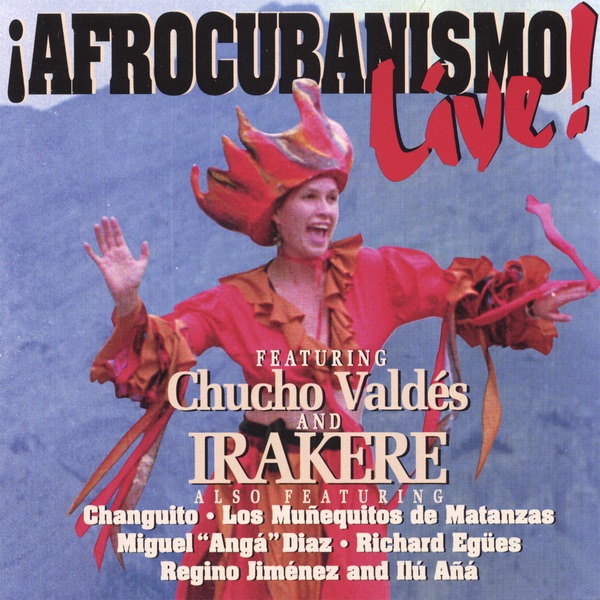
Irakere formed in Havana in 1973, led by the pianist Chucho Valdés, and from the start it was a strange, ambitious mix of people and ideas. You had classically trained musicians who could read anything, guys who'd grown up playing batá drums in religious ceremonies, and horn players who idolized John Coltrane and Dizzy Gillespie just as much as any Cuban rumbero. The band's name comes from a Yoruba word tied to the forest and to Afro-Cuban religious tradition, which tells you a lot about what they were going for — this wasn't dance-hall Latin music, it was something rooted in ritual but aimed at a jazz stage.
What made Irakere different from other Latin bands of the era was the sheer density of what they were doing. A single tune might open with a Yoruba chant and batá drum pattern, swerve into a hard-driving big band chart, then land in a fusion groove with electric guitar and synthesizer, all before the trumpets start trading bebop lines. Arturo Sandoval and Paquito D'Rivera were both in the early lineup, and both went on to become huge names on their own, which tells you how much talent was crammed into one group. The musicianship was ridiculous — tight horn section, rhythm section that could shift meters without blinking, soloists who played with real fire.
They got international attention fast. Their self-titled album Irakere (1979), recorded partly from a live set at the Newport Jazz Festival, won a Grammy and made a lot of American listeners realize Cuban musicians weren't stuck playing mambo revivals — they were doing something current, aggressive, and technically way beyond most fusion bands at the time. Getting Cuban musicians onto a US stage and onto Columbia Records during the Cold War was its own small miracle, and the band became a kind of cultural bridge almost by accident.
Line-up changes over the decades thinned out the star power — Sandoval and D'Rivera both defected in the 80s — but Chucho Valdés kept steering the ship, and the band's DNA never really changed: folkloric intensity plus jazz sophistication plus a willingness to just turn up the volume and go for it. If you want a way into Cuban jazz that isn't polite or ambient, Irakere is the loud, sweaty, virtuosic door in.