The Havana Piano Problem
Before you press play on anything Chucho Valdés has recorded, it helps to understand where he came from — literally and musically. His father is Bebo Valdés, one of the architects of Cuban jazz in the 1940s and 50s. Growing up inside that tradition meant Chucho absorbed the full weight of Cuban rhythmic complexity — son, rumba, Abakuá ceremonial music — before he ever started chasing bebop. When the bebop influence arrived, it didn't replace any of that. It layered on top. That combination is basically the whole story of his piano style.
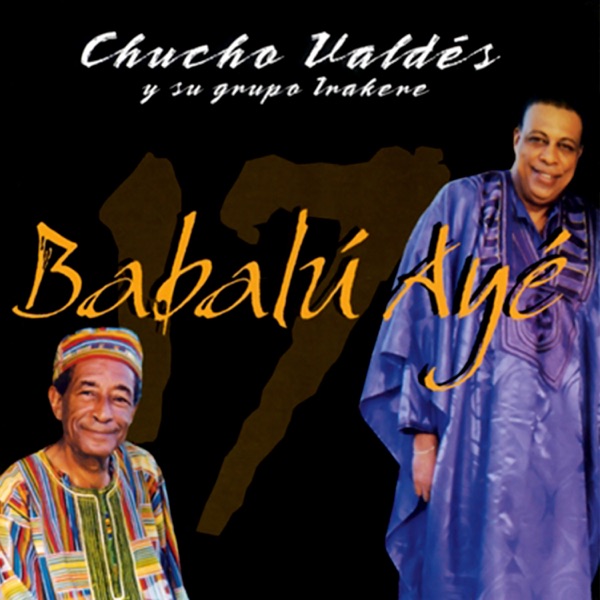
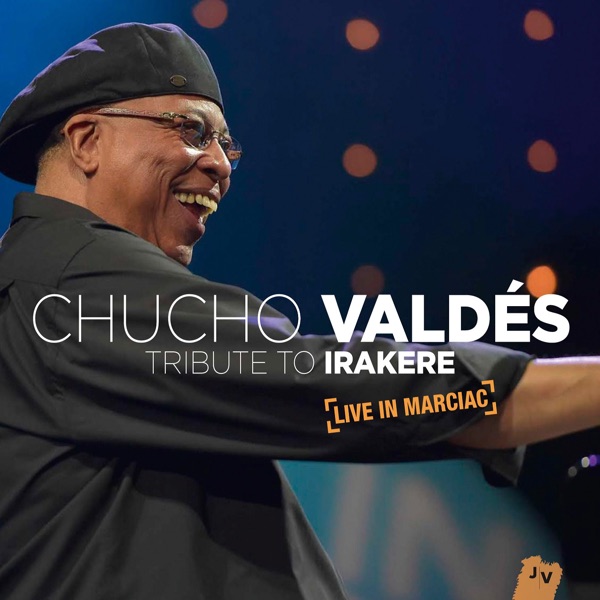
Irakere, the band Chucho co-founded in Havana in 1973, was something genuinely strange and exciting. They were mixing jazz improvisation with Afro-Cuban religious music and funk and rock, all played at a technical level that left audiences confused about whether to dance or just stand there with their mouths open. Their CBS recordings from the late 1970s — Irakere (1979) being the key document — found them a global audience, including a Grammy. What's easy to miss in retrospect is how politically charged any of this was. These musicians were working inside Cuba's cultural institutions while making music that was unmistakably cosmopolitan. It took real navigating.
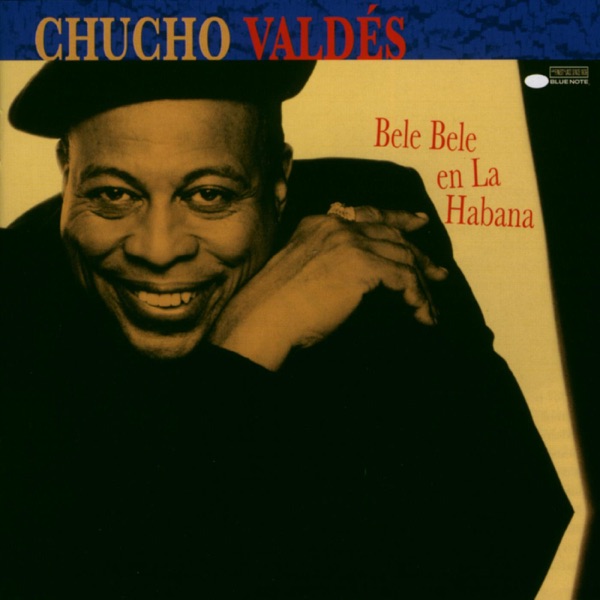
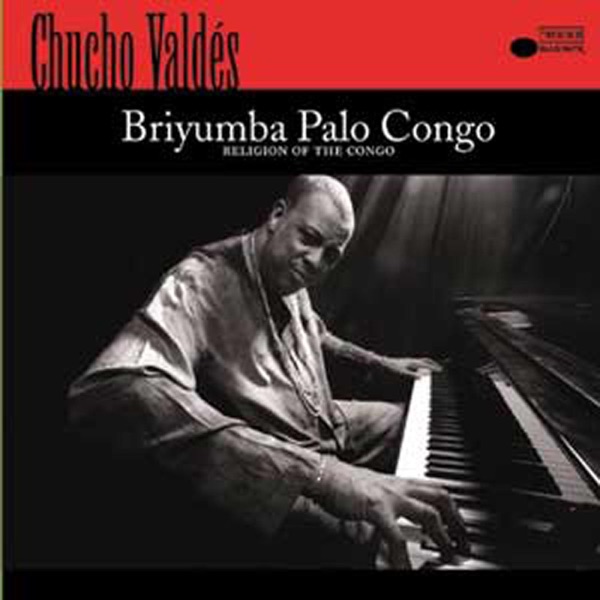
As a solo pianist, Valdés is built different from most players who came up through Latin jazz. His technique is closer to Oscar Peterson in its physical authority — he plays with enormous power and speed — but the rhythmic framework underneath is Afro-Cuban rather than swing-based. Listen to how he handles clave against a jazz phrase and you start to understand why so many pianists study him. He doesn't just play the melody and then improvise over changes. The entire rhythmic structure of the piece stays alive in his hands throughout.
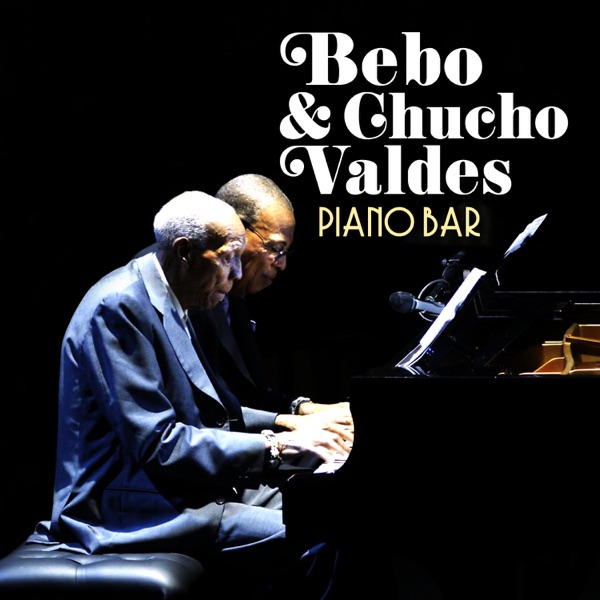
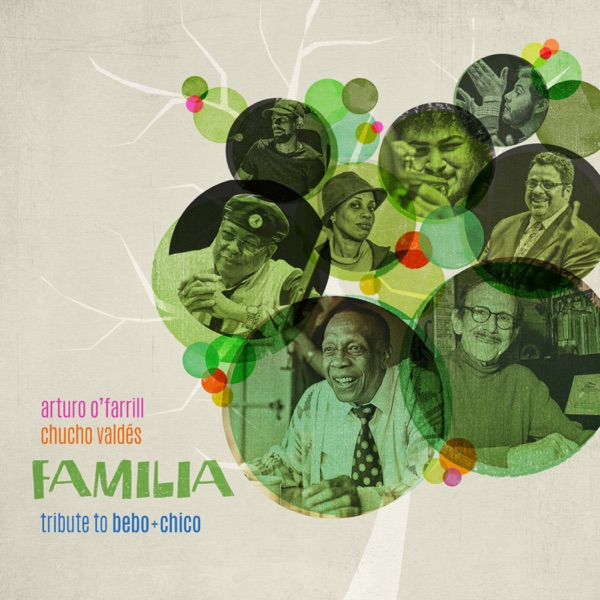
His later career took him into big band territory, collaborations with his father Bebo Valdés, and a long series of solo and trio recordings that hold up well. Canciones (2012) is a good entry point if you want to hear him in a more intimate setting — it's mostly ballads and Cuban standards, and it shows a side of his playing that the Irakere records don't always reveal. The touch is completely different. The man can play quietly when he wants to.
If you've spent time with Herbie Hancock or McCoy Tyner and you're curious about where Latin jazz intersects with serious jazz piano, Chucho Valdés is the place to start. He's not an easy shorthand for anything. He doesn't fit cleanly into the Afro-Cuban jazz box or the modern jazz piano box, which is exactly the point. Spend a week with his records and your sense of what the piano can hold rhythmically will shift considerably.