1998 · Album
Bele Bele en La Habana
Released: 1998 · Artist: Chucho Valdés · Tour Support: North American tour
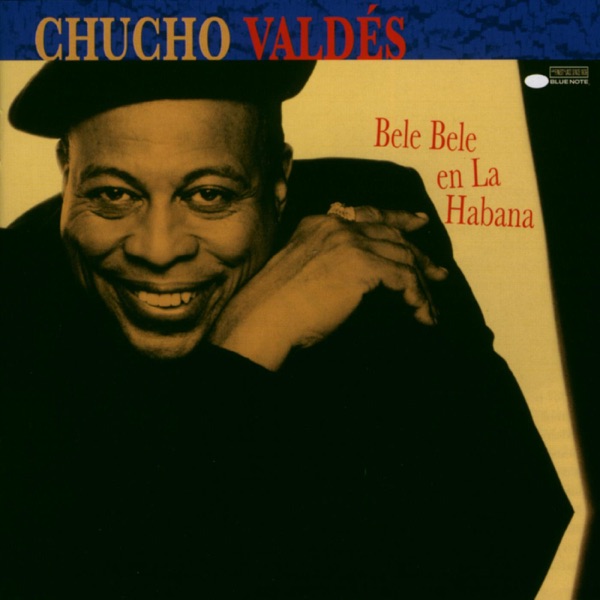
Havana Stride: Valdés in 1998
Piano and rhythm section locked tight, moving between bolero swing and straight-ahead jazz with the ease of someone playing home.
From the first notes, you hear a pianist completely comfortable in his own sound — no searching, no overplaying. The touch is precise but warm, the tempo easy and conversational. Bass and drums sit close behind, responding more than pushing, giving Valdés room to think between phrases. This is Cuban piano at its core: rooted in the island's rhythm traditions but fluent in American jazz harmonic language. The whole thing breathes like a band that knows each other's moves.
By 1998, Valdés had spent decades as one of the most accomplished pianists working in jazz, and Bele Bele en la Habana (1998) finds him in settled mastery — not a peak moment demanding rediscovery, but a solid, deeply functional album that shows what he could do when he chose to record. The record stays grounded, avoiding the fusion detours and hi-fi excess that might have tempted a younger version of himself. What you get is straight playing: melodies that matter, changes that snap into place, and a sense of joy that doesn't feel performed. The album proved durable enough that Valdés took it on the road, supporting it with a North American tour that brought the music to audiences beyond Cuba and Europe.
This isn't where you start with Valdés if you're new to him, but it's where you land if you already know his work and want to hear him doing exactly what he does best — playing piano with clarity and restraint, in the company of musicians who understand the assignment.