Fastest Horn in Havana
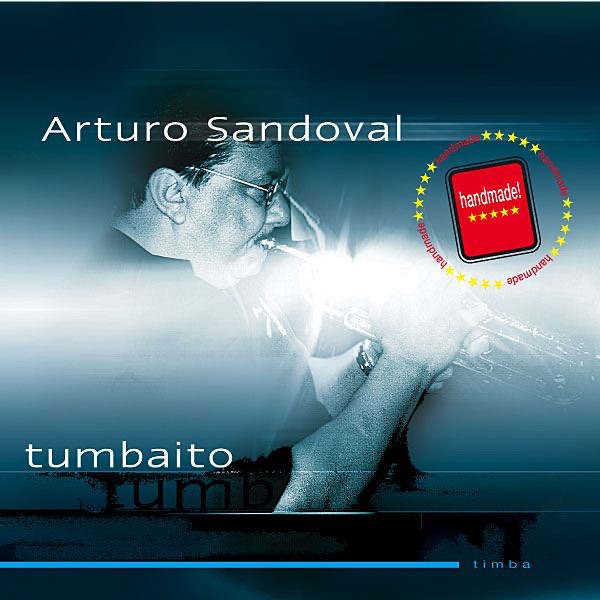
If you hand someone unfamiliar with Sandoval one of his records and just let it play, the first reaction is almost always about the speed. The man is absurdly fast. But once that wears off — and it takes a while — you start hearing the musicianship underneath: clean articulation, a bright, focused tone that cuts through any ensemble, and a real feel for melody that keeps even his showiest runs from feeling empty. He is not just a technician with a party trick. He has actual things to say, and he says them at about two hundred miles per hour.
Sandoval grew up in Artemisa, Cuba, and got serious about music young, training at the Cuban National School of the Arts. He was a founding member of Irakere, the Cuban band that fused Afro-Cuban rhythms, jazz, and rock in ways that genuinely surprised people when they first heard it in the late 1970s. When Irakere played the Newport Jazz Festival in 1978, American audiences got their first real look at what Cuban musicians had been developing in relative isolation. Sandoval was impossible to miss.
Dizzy Gillespie was one of the first major American jazz figures to recognize what Sandoval had, and the two developed a close friendship that eventually helped Sandoval defect during a tour stop in Rome in 1990. That friendship is worth thinking about when you listen to Sandoval's bebop playing — Dizzy's influence is all over it, that mix of humor and velocity and harmonic surprise. Sandoval absorbed it and pushed the technique even further, which is saying something.
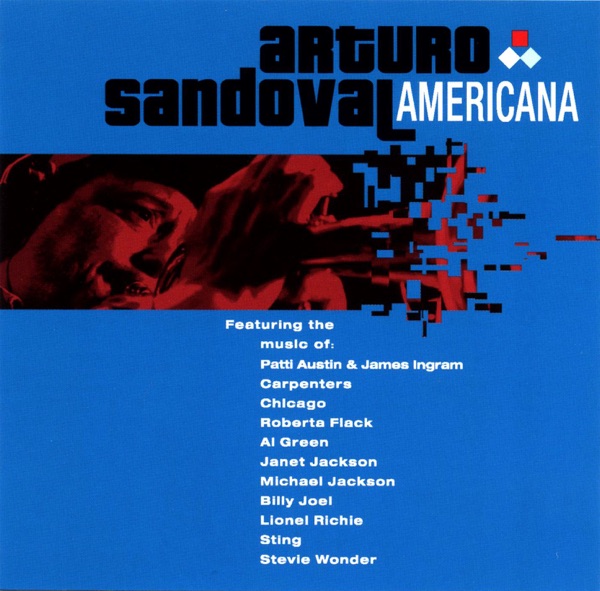
His American records from the 1990s onward vary quite a bit in ambition. Some lean into the showmanship — big band settings, classical crossover, movie scores. Others are tighter, more focused jazz dates where he sounds like he is actually competing with something. Dream Come True (1993) is a good entry point: it has Bill Evans on saxophone, solid post-bop energy, and Sandoval playing like he has something to prove without overloading every track with acrobatics. His Latin jazz recordings tap into a different gear entirely — looser, more percussive, rooted in Afro-Cuban clave in a way that feels lived-in rather than performed.
What keeps Sandoval interesting, even when the material is uneven, is that the trumpet itself always sounds alive. He never phones it in tonally. Even on a straightforward ballad, there is a brightness and presence to his sound that is immediately recognizable. He has won a pile of Grammy Awards and spent years as a professor at Florida International University, which says something about how seriously he takes transmission — passing the mechanics and the feeling on to the next generation. That part of his story gets less attention than the defection narrative, but it probably matters just as much.