2007 · Album
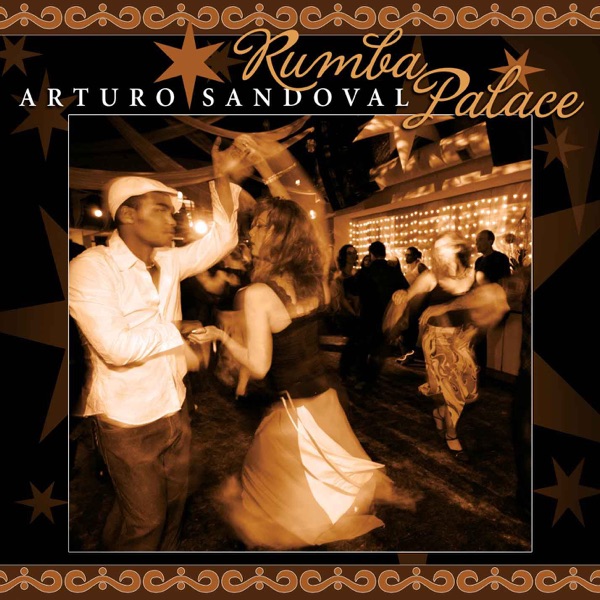
Rumba Palace
Released: 2007 · Chart Performance: Peaked at number 20 on Billboard's Top Jazz Albums chart
Sandoval's Cuban Heat, American Polish
Rumba Palace finds Sandoval balancing his roots against his adopted home, playing both sides with equal conviction.
Rumba Palace arrived when Arturo Sandoval was well into his American career, comfortable enough to look backward without apology. The album hit number 20 on the Billboard jazz charts, proof that his particular blend—Cuban rhythm underneath American production values—had an audience ready for it. This is not a roots record or a nostalgic one. It is Sandoval doing what he had learned to do best: taking the music of his childhood and filtering it through the technical precision and studio sophistication he had earned over decades.
The record swings hard but never loses sight of the rumba DNA running through its center. Horns are crisp and well-recorded, the kind of clarity you get when a major label gives you proper studio time and mixing budget. Sandoval plays trumpet throughout with the confidence of someone who has nothing left to prove—clean high notes, articulate phrasing, no wasted motion. The rhythm section keeps things moving without ever feeling stiff or overly arranged. These are professionals playing in a room together, not a collection of overdubs.
For listeners already familiar with Sandoval's work, Rumba Palace sits somewhere in the middle of his catalog—not a peak moment like his earlier Blue Note recordings, but a solid, professional record that shows he could still deliver when the material and players lined up right. It is not essential listening, but it is the kind of album that rewards attention if you already like this corner of contemporary Latin jazz.
Who's playing
José Armando Golabass
Felipe Lamogliasaxophone
Jason Cardertrumpet
Arturo Sandovaltrumpet
Dante Lucianitrombone
Dana Teboetrombone
Tomas Cruzpercussion
Alexis "Pututi" Arcemembranophone
Tony Pérezkeyboard