Where do you listen?
Choose your streaming service
inside the sleeve
Loading…
inside the sleeveITS
⌕
Read About
Alto Saxophone - USA - Avant-Garde Jazz

John
Zorn

1953 - present, USA

John Zorn doesn't really do genres, he does collisions — jazz slamming into hardcore, klezmer crashing through film noir soundtracks, all of it stitched together with a downtown New York energy that never sits still. He built his own label just to keep up with himself, and forty-plus years later he still hasn't slowed down.

Avant-Garde JazzFree JazzJazz FusionContemporary Jazz
John Zorn

The Man Who Refused to Choose

If you've never heard John Zorn, the easiest way in is to picture someone who grew up loving Ornette Coleman, Ennio Morricone, and Napalm Death about equally, and then decided he didn't need to pick a lane. He came out of the Lower East Side loft scene in the late 1970s playing duck calls and toy instruments as much as saxophone, and by the time he formed Naked City in the late '80s he'd basically invented a new way of jamming genres together — surf rock, bebop, grindcore, and lounge music smashed into songs that sometimes lasted twenty seconds.

What makes Zorn's music actually sound like Zorn is speed and whiplash. He'll write a piece that's tender for eight bars and then detonate into noise, and he does it without a wink — this isn't ironic genre-hopping, it's how his brain seems to actually work. His game pieces, things like Cobra (1985), turn improvisation into something closer to a sport, with hand signals directing musicians through structured chaos in real time. It's compositional thinking applied to free playing, which sounds like a contradiction until you hear it work.

The project that probably reaches the widest audience is Masada, his quartet with Dave Douglas, Greg Cohen, and Joey Baron, which took Jewish liturgical melodies and ran them through a Ornette Coleman-style quartet format. Albums like Masada: Alef (1994) are some of the most listenable things he's ever done — melodic, swinging, still recognizably him but with the sharp edges sanded down just enough. If someone wants to understand why people take Zorn seriously as a composer and not just a provocateur, Masada is where to send them.

Zorn also built Tzadik Records in the mid-90s largely because nobody else was going to release the stuff he wanted to make, and the label became its own ecosystem — radical Jewish music, film music, noise, chamber pieces, box sets of his own work in numbered series. It's a strange kind of self-sufficiency, running your own document of everything you do, but it fits him. He was never trying to fit into jazz history the way it already existed; he built an entire separate structure to hold what he was making instead.

What I'd tell a friend before pressing play: don't expect one John Zorn. Expect a guy who treats every idea as legitimate raw material, whether it's a bebop head, a cartoon soundtrack, or a Sephardic prayer melody, and who trusts really good musicians to follow him into weird corners and make it work. Some of it will grate on you. Some of it, especially the Masada stuff, might be some of the most beautiful jazz you hear all year. That range is the whole point.

Facts
BornSeptember 2, 1953, New York City, USA
InstrumentAlto saxophone, composer, bandleader
Active1970s - present
Known forNaked City, Masada, founding Tzadik Records, game piece compositions like Cobra
Connections
Dave DouglasTrumpeter, Masada collaborator, New York
→
Bill FrisellGuitarist, frequent collaborator, New York
→
Joey BaronDrummer, Naked City and Masada, New York
→
Read more

Discography

37 records
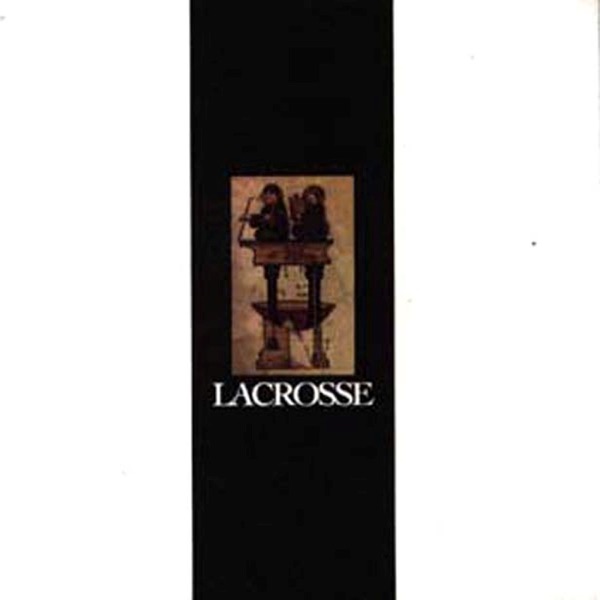
Lacrosse
Lacrosse
1977
♫
School
1978
♫
Environment for Sextet
1979
Pool
Pool
1980
Hockey
Hockey
1980
Archery
Archery
1981
Yankees
Yankees
1982
The Classic Guide To Strategy - Volume One
1983
Ganryu Island
Ganryu Island
1985
♫
Experimental Performance
1986
♫
The Big Gundown: John Zorn Plays the Music of Ennio Morricone
1986
♫
The Classic Guide to Strategy - Volume Two
1986
♫
Deadly Weapons
1986
Spillane
Spillane
1987
♫
Cobra
1987
♫
Spy vs. Spy: The Music of Ornette Coleman
1989
♫
Naked City
1990
♫
Attention Span
1990
♫
Improvised Music New York 1981
1992
♫
Elegy
1992
♫
高橋悠治リアルタイム2 ゾーン・三宅・マセダ
1992
Kristallnacht
Kristallnacht
1993
♫
The Art of Memory
1994
♫
Redbird
1995
♫
John Zorn's Cobra: Live at the Knitting Factory
1995
Nani Nani
Nani Nani
1995
♫
The Book of Heads
1995
♫
First Recordings 1973
1995
♫
John Zorn's Cobra: Tokyo Operations '94
1995
♫
Bar Kokhba
1996
♫
In Memory of Nikki Arane
1996
♫
Euclid's Nightmare
1997
Duras:Duchamp
Duras:Duchamp
1997
New Traditions in East Asian Bar Bands
1997
♫
Angelus Novus
1998
♫
Music for Children
1998
Locus Solus
Locus Solus

Collaborations

Live on Youtube

Explore Further

Selected connections
Album, 1989
Naked City
The record that best shows Zorn's genre-collision approach in raw form — jazz, hardcore, and film music slammed together into a couple dozen brutal short tracks.
Explore →
Album, 1994
Masada: Alef
The most melodic and accessible entry point, blending Ornette Coleman's quartet sound with Jewish liturgical themes.
Explore →
Trumpeter, USA
Dave Douglas
Zorn's longtime Masada partner, worth hearing to understand how structured the supposed chaos really is.
Explore →

Who's playing
Listen next
Recording Info
Track listing
Musicians
Further Reading
Read more

Where next?

More by this artist

Albums with the same musicians

From the same era

Similar artists

inside the sleeve
Growing
Jazz, explained without pretension.
Read · Follow the connections · Press play
Right now: 7,100+ albums · 440+ artists
Start here
New to jazz? These artists are good places to start.
Loading…
Explore
Nine records worth getting lost in.
Born today
Album of the day
A landmark record, every day.
Read
  • Loading…
Article archive →
Recently added
Purpose
Inside the Sleeve is your companion on a journey through jazz — not a textbook, but something closer to a knowledgeable friend sitting next to you while you listen. Read about an artist, press play, follow a connection, discover an album you didn't know you needed.
Suggestions
Read

Articles

Essays, guides, and lists about jazz and the records that matter.

Loading…

Genre

Key Artists
Further Reading

Essential Albums

Related Genres

In This Genre

About

Inside the Sleeve

Work in progress

Inside the Sleeve grows continuously — new artists and albums are added, essays refined, as visitors explore and our editors follow up on what they find. Content, features, and design are still evolving; use the Report error button on any page to flag something that seems off.

Content

Every artist, album, and release date on Inside the Sleeve is real — verified against trusted sources including MusicBrainz and Wikipedia. We don't invent discographies or fabricate records. AI compiles that verified information into readable prose — essays on artists, albums, and the music itself. We can't manually review every essay before publishing, but every reported error is checked by a human editor.

Inside the Sleeve is not a review site. We're not here to rate or rank — we're here to guide you in. Where an album stands out, we'll say so. Where an artist changed everything, you'll know why. But we won't tear anything down. Jazz history is complex and sources sometimes disagree — if you spot something that seems off, please report it.

Streaming

Inside the Sleeve links to Spotify and Apple Music so you can listen while you read. These are not affiliate links. For Spotify, links open a search on open.spotify.com — we do not have direct links to specific recordings. For Apple Music, direct links are used where available, otherwise a search is opened.

Your choice of streaming service is stored locally in your browser only. It is never sent to our servers.

We're working on deeper Spotify integration, including direct links to specific recordings.

Privacy

Inside the Sleeve does not collect personal data and does not use cookies. We count page visits anonymously using a self-hosted analytics tool — no personal identifiers are stored, and the data never leaves our own server. The only preference stored on your device is your streaming service choice, saved locally in your browser and never transmitted.

When you submit a suggestion or error report, the text you write is stored in our database. No name or email is required or collected unless you choose to provide one.

Third-party services

Spotify and Apple Music are independent services with their own terms of use and privacy policies. Inside the Sleeve is not affiliated with or endorsed by either company.

Support

Inside the Sleeve is free and ad-free. If you enjoy it, a coffee helps cover server costs and keeps the project going.

Amazon

Some book recommendations on Inside the Sleeve link to Amazon. Buying through these links costs you nothing extra — but Amazon pays us a small commission, which goes directly towards keeping the site running. It's a simple way to support the project if you were going to buy the book anyway.

As an Amazon Associate, Inside the Sleeve earns from qualifying purchases.

Questions or feedback? Use the suggestion box on the front page.

Inside the Sleeve — A guide for those who want to go beyond the obvious About & Privacy