Slowhand of the Wide Open
If you've never heard Frisell before, the first thing to know is that he doesn't sound like a jazz guitarist in any traditional sense. There's no bebop flash, no burning lines, no obvious debt to Wes Montgomery or Jim Hall — or rather, the debts are there, but they're buried under something that sounds more like wide-open American landscape than a New York club. He came up through the ECM Records world in the early 1980s, and that label's aesthetic — lots of space, careful tone, a kind of Nordic restraint — got into his DNA early. Albums like In Line (1983) showed a guitarist who was happy to let silence do some of the work.
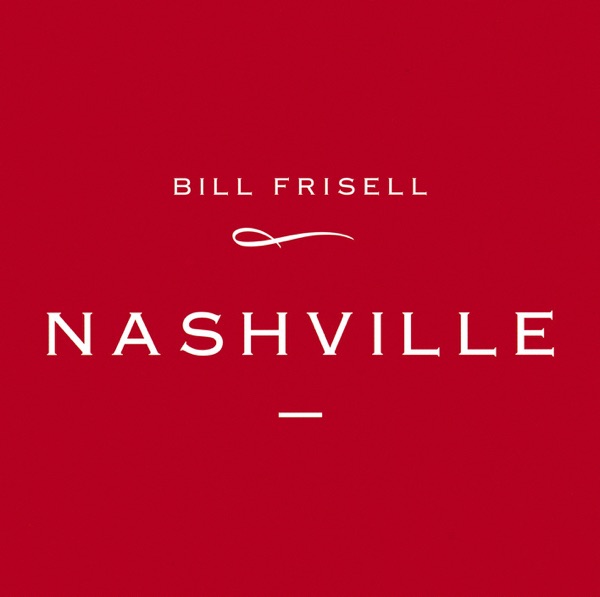
What he figured out over time is that country music, folk, and even old film scores belong in the same conversation as jazz. His records from the 1990s, especially Nashville (1997) and Gone, Just Like a Train (1998), are the ones that raised eyebrows in jazz circles — why is this guy playing with pedal steel players? But the logic is completely coherent once you spend time with the music. The harmonic vocabulary is different, the tempos slower, but the improvising sensibility is the same. He's listening, reacting, finding space. The genre label just stops mattering.
Frisell has spent a lot of his career working in small groups and as a sideman, and his list of collaborators reads like a who's who of the American avant-garde. He played for years with Paul Motian and Joe Lovano in a trio that produced some of the most relaxed and beautifully odd small-group recordings of the 1990s. He's worked with Elvis Costello, Ginger Baker, Buster Williams, and Charlie Haden, among many others. What people who hire him get is a guitarist who listens harder than almost anyone else and never tries to take over the room.
His ECM period gave way to a long run on Nonesuch Records, and that's where most casual listeners will find him. The Intercontinentals (2003) is a good entry point if you want to hear his adventurous side — world music influences filtering through the Frisell lens without it feeling like a gimmick. History, Mystery (2008) is the ambitious one, a double album with strings and a larger ensemble that somehow never feels bloated. And Guitar in the Space Age! (2014) is exactly what it sounds like: a joyful set of surf, early rock, and Americana covers that shouldn't work as well as it does.
The thing that makes Frisell genuinely hard to categorize — and genuinely worth your time — is that his interest in American music feels archaeological rather than nostalgic. He's not romanticizing the past; he's picking through it for parts that still work. The results tend to be melancholy in a way that never tips into sentimentality, warm without being soft. Put on Floratone (2007) or Sign of Life (2011) on a Sunday afternoon and you'll start to understand what the fuss is about.