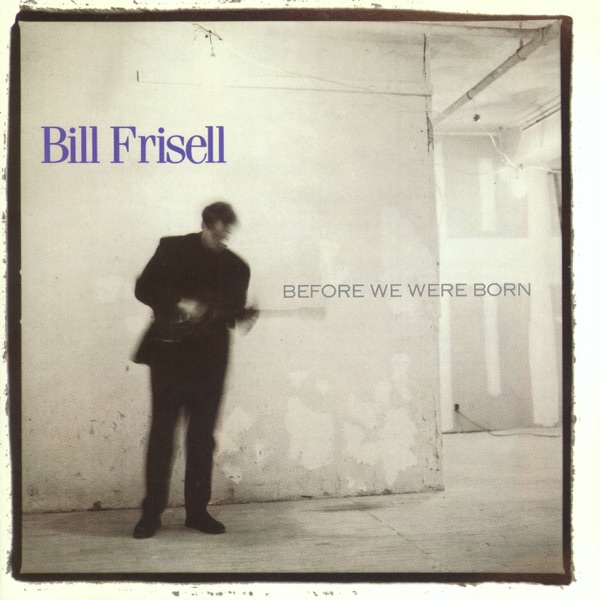
2001 · Album
Blues Dream
Recorded 2001 · Elektra Nonesuch · Produced by Not specified in available sources

Frisell's Careful Compositions in Ambient Space
A soundtrack for your passage through a daydream, orchestrating sounds beyond our imaginations.
Blues Dream arrived in 2001 to immediate critical respect. Metacritic's aggregate of 86 out of 100 reflected strong consensus: this was Frisell at a peak of invention and control. PopMatters reviewer Will Layman called it a movie for your ears, a classical music of careful composition, moving between beautiful and strange. Not everyone was convinced—JazzTimes' Bill Shoemaker found it antiseptic, a pat atmosphere lacking compulsion—but the broader response was clear. This was a record people wanted to hear.
The album gathers Bill Frisell with Greg Leisz on steel guitar, Ron Miles on trumpet, Billy Drewes on alto saxophone, Curtis Fowlkes on trombone, David Piltch on bass, and Kenny Wollesen on drums. That instrumentation alone—steel guitar anchoring the sound instead of conventional jazz guitar—signals departure from Frisell's usual territory. The steel gives everything a luminous, slightly alien quality, like Americana viewed through water. Frisell's compositions are exact and restrained; they don't sprawl or improvise freely so much as unfold with precision. Drewes and Miles trade lines over arrangements that feel almost orchestral in their deliberation. This is patient music, designed for sustained listening rather than immediate hook.
Blues Dream sits apart from Frisell's more experimental work and his busier ensemble records. It's neither a guitar-trio straightahead nor a chamber-pop crossover. Instead it occupies its own space—accessible enough for curious listeners, strange enough to reward repeated attention. The cover photograph by George A. Tice, taken decades earlier in New Jersey, reinforces that sense of Americana suspended in time. For those wanting Frisell without the electric effects or the rock-inflected energy, this is exactly where to start.
Where next?
More by Bill Frisell
All 33 albums →