1982 · Album
Paths, Prints
Recorded December 1981 · ECM · Released: 6 September 1982 · Personnel: Jan Garbarek (tenor saxophone), Bill Frisell (guitar), Eberhard Weber (bass), Jon Christensen (drums)
Garbarek's Northern Quartet in Clarity
Frisell's guitar cuts through with precision, anchoring Garbarek's searching tenor in crystalline detail.
Recorded in December 1981, Paths, Prints (1982) captures Jan Garbarek's quartet at a moment of particular focus. The saxophonist surrounded himself with three musicians who thrived in sparse arrangements: Bill Frisell on guitar, Eberhard Weber on bass, and Jon Christensen on drums. ECM's studio work brought out the clarity in each voice. Frisell's guitar has a lean, almost architectural quality here—he doesn't fill space, he defines it. Weber's bass sits deep and patient, and Christensen plays with restraint, letting silence do as much work as sound.
Garbarek's tenor saxophone is the album's center, but it's a tenor that values air and space over density. His tone has a searching quality, sometimes almost fragile. Tracks move between introspection and sudden momentum, with the quartet responding to shifts in texture rather than any obvious structural formula. The music feels conversational—ideas offered, considered, adjusted. Ron Wynn's AllMusic review singled out Frisell's contribution as the album's defining element, and he's right to hear how the guitar's precision shapes the overall sound.
This sits comfortably within Garbarek's ECM catalog but doesn't stand as his peak work. It's a solid, engaging session that shows what happens when four skilled musicians commit to listening. If you're drawn to spare Nordic jazz with strong individual voices, it rewards attention. For newer listeners, Officium (1994) or earlier Garbarek recordings might be better entry points, but Paths, Prints holds up.
Who's playing
Where next?
More by Bill Frisell
All 33 albums →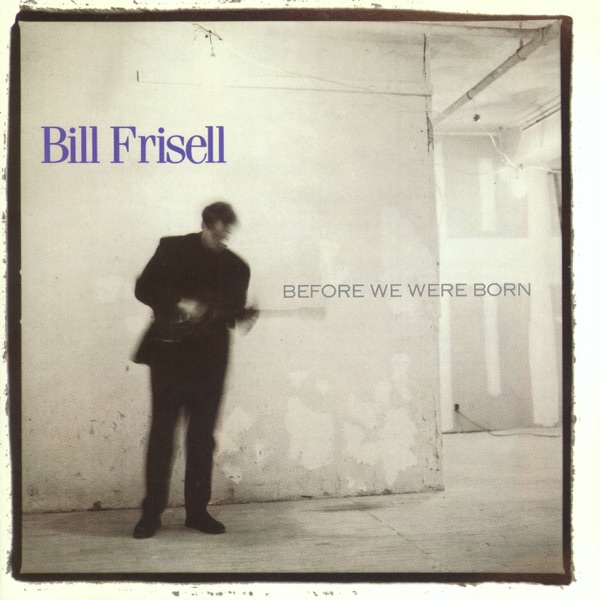


The musicians on this record
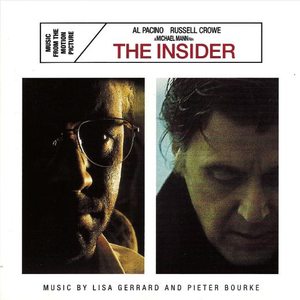
The Insider - Motion Picture Soundtrack 1985
Jan Garbarek
plays tenor saxophone here
plays tenor saxophone here
♫
Personal Mountains 1989
Jon Christensen
plays membranophone here
plays membranophone here


