1994 · Album
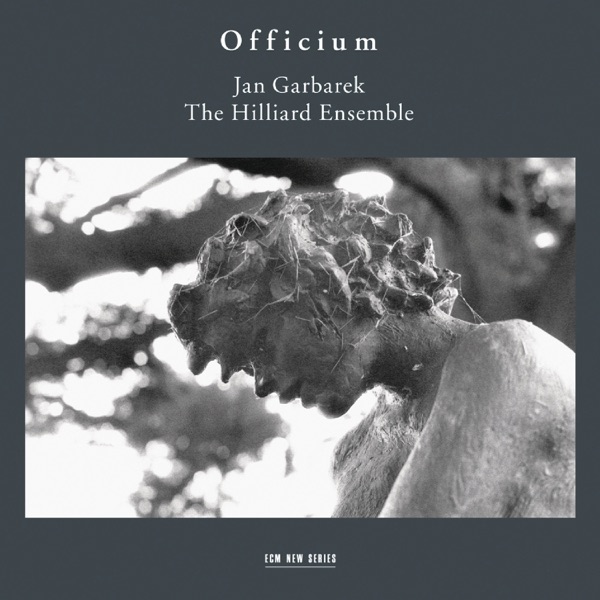
Officium
Recorded September 1993 at Propstei St. Gerold monastery, Austria · ECM · Produced by Manfred Eicher
Sacred Ground: Garbarek Meets Medieval Voices
A saxophonist and a choir singing together, and somehow it works—really works.
Officium arrived as a genuine surprise. Jan Garbarek had spent years building a reputation in European jazz and improvisation, but pairing a tenor saxophone with the Hilliard Ensemble—a quartet specializing in medieval and Renaissance vocal music—seemed unlikely to produce anything beyond curiosity. Yet the album became something else entirely: a quiet conversation between two musical worlds that actually have more in common than you'd expect.
Recorded in a monastery in Austria, the album captures something you can't fake in a studio. The space itself becomes an instrument. Garbarek's saxophone enters the vocal lines gently, sometimes echoing them, sometimes drifting underneath like mist. The Hilliard Ensemble sings mostly sacred Latin texts, and their voices have that crystalline clarity that period-music singers cultivate, but they're not precious about it. There's a real musicality here, not museum performance. Tracks like the opening motets and the repeated returns to plainchant material feel meditative without being drowsy. The saxophone doesn't jazz it up or impose bebop logic on the material. Instead, Garbarek listens. He finds space in the vocal lines and inhabits it.
For Garbarek, this sits somewhat apart from his other work—it's less about harmonic sophistication and more about texture and restraint. If you know his ECM recordings with classical musicians, you'll find a similar aesthetic: patient, atmospheric, interested in what happens when you remove ego from the room. It's not essential listening if you want to hear him stretch as an improviser, but it's worth hearing. The album showed that he could be a genuine collaborator, not just a soloist visiting someone else's project.
Who's playing
Jan Garbareksoprano saxophone
The Hilliard Ensembleperformer
Where next?
More by Jan Garbarek
All 15 albums →