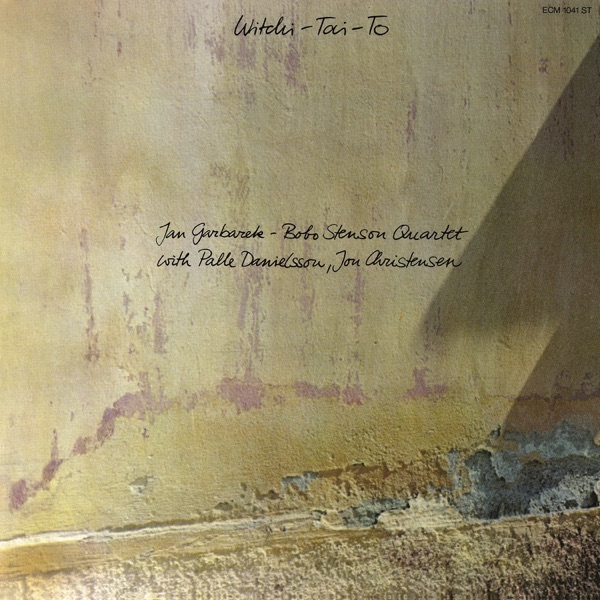
Garbarek's Tender Conversation with Silence
Garbarek lets space breathe here, turning restraint into its own kind of eloquence.
In Praise of Dreams sits at an interesting place in Jan Garbarek's catalog—it's not his earliest work, but it catches him at a moment when he's learned to stop trying so hard to impress you. The saxophonist's tone here is warm and unhurried, working in a modal space that feels less like searching and more like arriving somewhere you recognize. What makes this record distinctive is how little it actually does. There's no pyrotechnics, no attempts to prove virtuosity. Instead, Garbarek seems interested in how a phrase can hang in the air, what happens in the pause between notes, how a simple melody can rewire your attention if you give it enough time. The album moves at its own pace, patient in a way that modern jazz rarely allows itself to be anymore.
The record feels conversational in the best sense—like musicians working out ideas together rather than taking turns showing off. Garbarek's soprano and tenor work throughout, and there's a real sense of intimacy, even when the ensemble expands. Tracks breathe. Nothing feels rushed or over-explained. This is music that trusts the listener to follow without constant reassurance, which means it won't appeal to everyone. If you need something more propulsive or architecturally complex, this album will test your patience. But if you're open to what happens when a player decides that simplicity and directness are their own kind of sophistication, there's real reward here.
For listeners newer to Garbarek, this is worth seeking out once you've spent time with some of his more exploratory work. It's not a perfect entry point—you might want to come to it after you've heard him in different contexts—but it's a genuine highlight. It's the work of someone who's developed real taste about what to leave out, and that's rarer than you'd think.
Who's playing