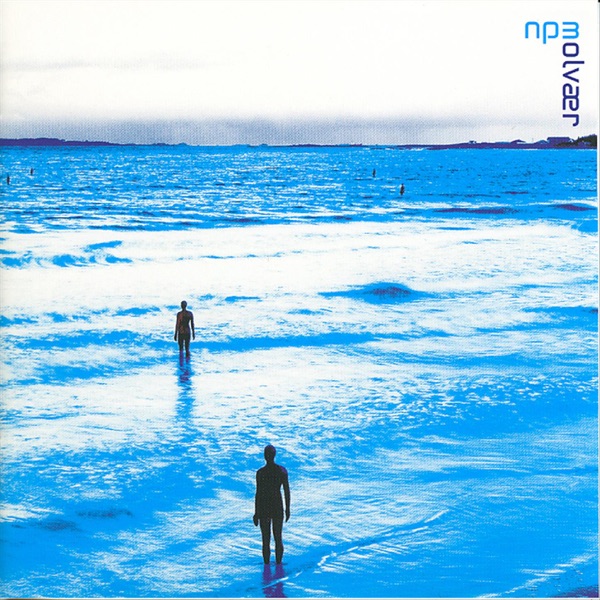
Ambient Jazz Meets Southeast Asian Mystique
Molvær built something that sounds like jazz in a trance, patient and hypnotic.
Khmer arrived at a turning point in Nils Petter Molvær's work — after establishing himself in the European jazz scene, he was ready to push his trumpet into stranger, more textural territory. This album isn't a standard jazz record, and it isn't trying to be. Instead, it's built on loops, samples, and electronic processing that treat the trumpet as one voice among many rather than the dominant voice. Molvær plays with restraint here, letting long notes breathe and fade into the surrounding soundscape. The rhythm section, supported by electronics and ambient textures, creates something closer to downtempo electronica than bebop.
What makes Khmer stand out is its refusal to choose between worlds. It sits somewhere between Scandinavian jazz and world music experimentation, with production that feels intentional rather than precious. The album doesn't rush — tracks develop slowly, and the trumpet emerges gradually from beds of processing and rhythm. This approach will feel meditative to some listeners and slow to others; it's not an acquired taste so much as a specific mood. If you're expecting a showcase for virtuosity, you'll be disappointed. If you want music that rewards patient listening and works beautifully as background atmosphere, this delivers.
This record matters because it showed Norwegian jazz could exist outside the typical trio and quartet formats without losing its identity. Molvær has made other fine records, but Khmer remains his most recognizable statement — the one that got reissued repeatedly and introduced him to listeners far beyond the jazz world. It's a genuine landmark, though not because it's technically perfect. It endures because the mood works, the production choices were brave, and the core idea — jazz as something spacious and electronic — still sounds fresh.
Who's playing
Morten Mølsterguitar
Roger Ludvigsenacoustic guitar
Rune Arnesendrums
Nils Petter Molværpercussion
Eivind Aarsetsampler
Ulf Holandsampler