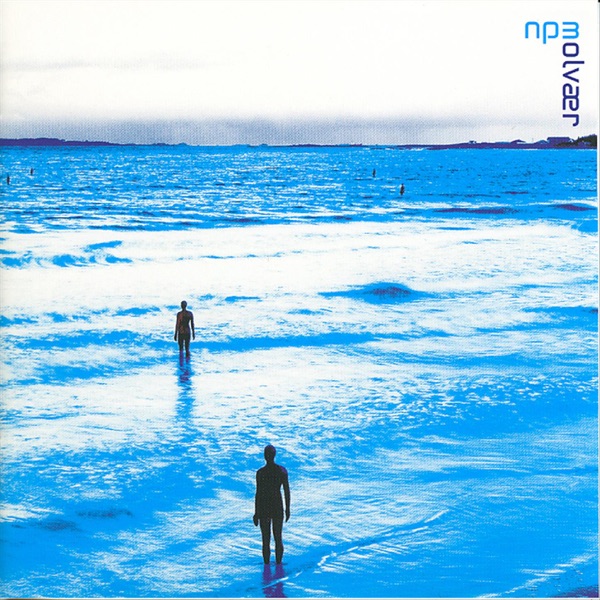
When Trumpet Met the Loop Machine
When Nils Petter Molvær released Khmer (1997), he wasn't trying to save jazz or reinvent anything grand like that. He just wanted to make records that sounded like what he was actually listening to — which happened to be electronic music, hip-hop, ambient stuff, and yeah, some jazz too. So he took his trumpet, a beautiful instrument with a warm and slightly muted tone, and he wrapped it in electronic loops, beats that came more from drum machines than drum kits, and these expansive soundscapes that had more in common with Brian Eno than with the jazz club down the street. It shouldn't have worked as cleanly as it did.
The thing about Molvær's approach is that he didn't treat the electronics as decoration for the jazz. They were equal partners. You'd have these minimal beats — almost skeletal, sometimes just a loop and some texture — and then the trumpet would enter, sometimes clean and singing, sometimes processed into something that almost doesn't sound like a trumpet at all. It felt deliberate and unstudied at the same time. He came from the ECM Records tradition, that whole Scandinavian jazz world of Arild Andersen and Jon Balke, but he was listening sideways, toward something cooler and less obvious. The result was a record that worked for people who didn't necessarily go to jazz clubs but who appreciated good music made with intention.
Molvær opened a door that a lot of musicians walked through after that. You could suddenly be a jazz musician and use loops and samples and beats without it feeling like a gimmick or a betrayal of the form. He influenced musicians across the whole spectrum — people coming from jazz backgrounds and people coming from electronic music backgrounds. In Norway and across the Nordic countries especially, there was this wave of artists who understood that those divisions were kind of arbitrary. He didn't do this by being flashy or revolutionary-sounding. He just made really good records that happened to sound like nothing else coming out at the time, and he stuck with it. The trumpet stayed the emotional core, but everything around it was wide open.