Norwegian Saxophonist Discovers His Voice
Garbarek's tenor saxophone sings with an almost vocal quality, tender and searching.
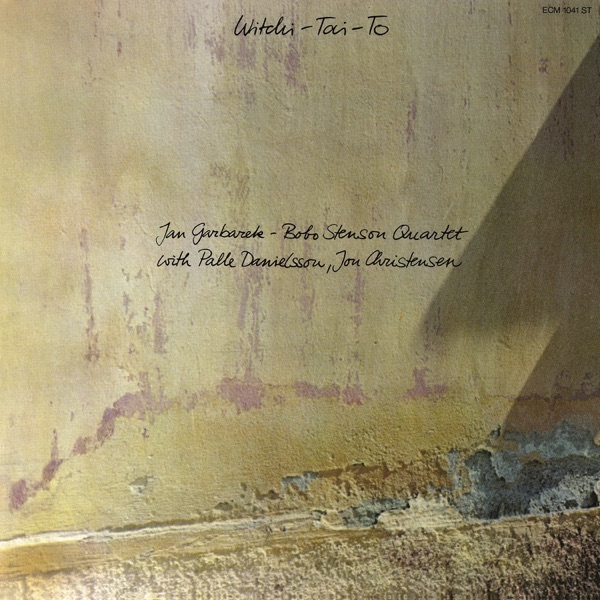
Jan Garbarek was still finding his sound when he recorded Witchi-Tai-to (1973), and that searching quality is exactly what makes the album matter. Coming early in his career, this record captures him working through influences — you hear ECM's cool European jazz aesthetic alongside a genuine curiosity about world music and spiritual material. The title track, a Native American chant that Garbarek transforms into something between a prayer and a conversation with the piano, became one of his most recognizable pieces. It's restrained and patient in a way that some listeners find meditative and others might find slow. That's fair. This isn't an album designed to impress you with virtuosity.
What actually happens here is more interesting than flashiness. Garbarek's tenor saxophone has this almost vocal quality — not in the sense of mimicking words, but in the way it breathes and bends notes with real intention. The record moves between jazz standards and original compositions without much fanfare, treating everything with the same quiet respect. There's a gentleness to the playing that feels deliberate rather than timid. You're not waiting for the excitement to build; you're listening to someone thinking through music in real time.
This isn't Garbarek's most celebrated work — that conversation belongs to his later ECM records — but Witchi-Tai-to (1973) is worth hearing if you're curious about how he developed his aesthetic. It's not the place to start if you want energy or virtuosity on display. But if you want to hear a young musician being honest about what he's learning, paying attention to silence, and refusing to showboat, this delivers that in spades.