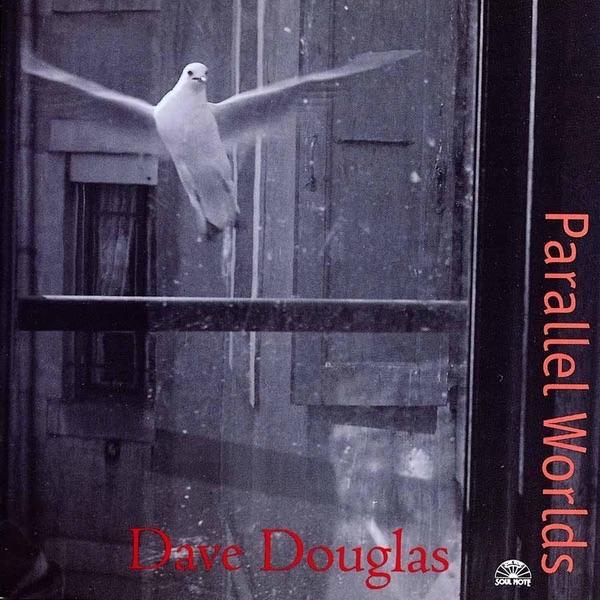
The Restless Composer's Trumpet
Dave Douglas came up in New York during the downtown scene of the late 1980s and early '90s, playing in John Zorn's Masada and soaking up whatever was in the air — klezmer, Balkan folk melodies, free improvisation, classical chamber writing. What he did with all that wasn't fusion in the smooth-jazz sense. It was more like he refused to pick a lane, and somehow his trumpet tone — clean, precise, a little cool even when the music around him got chaotic — held it all together.
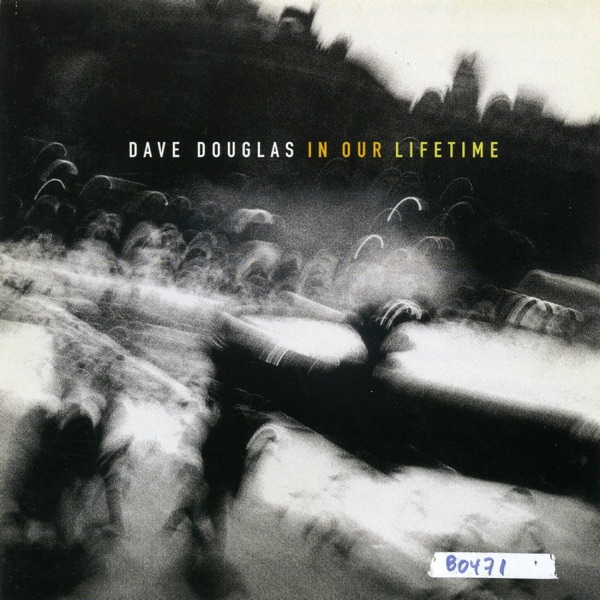
The records tell the story better than any bio could. Tiny Bell Trio (1993) put him in a stripped-down format playing tunes that sounded like they'd wandered in from a Balkan wedding. In Our Lifetime (1995) was a tribute to Booker Little, the trumpeter who died young and left behind a handful of records that still sound ahead of their time — Douglas clearly heard something in that music worth extending. Charms of the Night Sky (1998) paired him with accordion and violin in a way that felt like chamber music for a jazz quartet that had never heard the word chamber. None of these records sound alike, and that's not an accident.
He's also one of the rare jazz musicians who built real infrastructure around his own music instead of waiting for labels to figure out what to do with him. Greenleaf Music, the label he started, became a way to release his increasingly varied projects on his own terms — electric bands, acoustic quintets, large ensemble writing, whatever the idea called for. That kind of independence isn't glamorous, but it's part of why he's been able to keep moving without compromise for three decades.
His Sound Prints project with Joe Lovano, built around the spirit of Wayne Shorter's writing without simply covering Shorter tunes, is a good entry point if you want to hear Douglas in dialogue with another strong compositional voice his own age. It's warm, a little angular, and never coasts on nostalgia. That's basically the Douglas formula across his whole catalog — take something from the tradition, respect it, and then refuse to just repeat it.
If you're new to him, don't start by trying to find 'the' Dave Douglas sound, because there isn't one. Start with whichever record matches the mood you're in — folk-inflected intimacy, big-band ambition, electric grit — and trust that the trumpet playing underneath will be thoughtful no matter which direction he's pointed that day.