Douglas Finds His Voice in Three Voices
A remarkably full sound from just trumpet, guitar, and drums, absorbing Balkan and European influences into something entirely new.
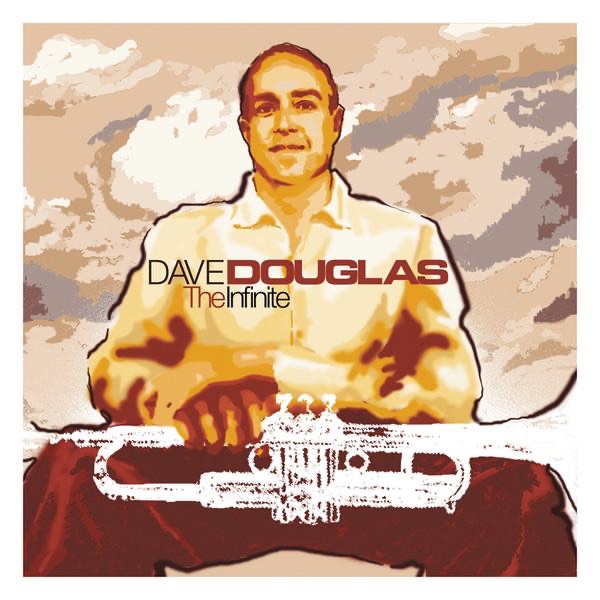
Dave Douglas's second album arrived quietly in 1994 on the Canadian Songlines label, but it landed hard enough that critics noticed immediately. AllMusic reviewer David R. Adler heard something unusual in the sparse setup — Douglas on trumpet, Brad Shepik on guitar, Jim Black on drums — and recognized it as a window into an artist already thinking far beyond the conventional jazz trio. The album later earned a place on Chris Kelsey's list of 20 Essential Free Jazz Albums, a recognition that has only deepened over time.
What made the trio work was its refusal to play it safe. Douglas doesn't try to fill space with runs or high-register pyrotechnics; instead, he leaves room for Shepik's guitar work to breathe, and Black anchors everything with a restless, inventive pulse. The interplay is tight without sounding rehearsed, conversational without being comfortable. You hear the Balkans and European folk traditions in the melodic turns, the harmonies, the way the three players negotiate space like musicians who've internalized a completely different tradition.
This is early work, and it matters because it shows Douglas already had a vision — not just a style, but a real sense of what he wanted to explore. It's not his peak, but it's the record where you can hear exactly who he was becoming. If you want to understand how Douglas built everything that followed, start here.
Who's playing