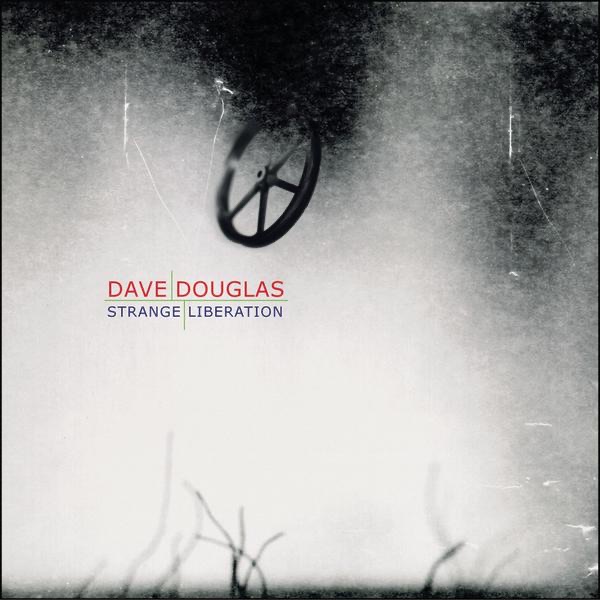
Douglas Breaks Free in His Bluebird Prime
Strange Liberation moves completely into Dave Douglas territory, breaking down barriers by eliminating preconceptions about what music should be.
Dave Douglas recorded Strange Liberation (2004) with a band that had learned to move together without hesitation. James Genus on bass and Clarence Penn on drums formed a rhythm section tight enough to pivot on a dime, while Uri Caine on piano and Chris Potter on bass clarinet and tenor saxophone gave Douglas the harmonic density and textural range his writing demanded. Bill Frisell arrived as a guest, and his presence shifted something in the room — not by playing safe, but by matching Douglas's refusal to settle into easy categories.
The album sits at the peak of Douglas's early Bluebird years, when the label gave him room to work with his strongest material yet. Critics recognized it immediately: Pitchfork called it among his best-written and best-paced works, while the New York Times rated it his strongest record in years. It reached number three on the Billboard jazz charts and topped CMJ's, the kind of success that justified the artistic risks on every track. The writing here is precise without feeling academic — Douglas knew exactly what he wanted each player to do, and they executed with the kind of ease that only comes from knowing a bandleader's language.
This is not a departure into retrospection or nostalgia. Douglas had moved past any lingering gestures toward late-1960s Miles; this is territory entirely his own. If you know his work and want to hear him at genuine strength, this is the record. The playing throughout is sharp and purposeful, never indulgent, and the songs stick because they're built to last.
Who's playing
James Genusbass
Chris Potterbass clarinet, tenor saxophone
Uri Cainepiano
Bill Frisellguitar
Dave Douglastrumpet
Clarence Pennmembranophone, percussion
Where next?
More by Dave Douglas
All 38 albums →


The musicians on this record

The Willies 2002
Bill Frisell
plays guitar here
plays guitar here
♫
This Will Be: The Jazzpar Prize 2000 2001
Chris Potter
plays bass clarinet here
plays bass clarinet here


