The Saxophonist's Saxophonist
Potter grew up in South Carolina and was already playing professionally as a teenager before moving to New York to join Red Rodney's quintet while still in his early twenties. That gig put him in front of serious jazz audiences fast, and he absorbed a huge amount — bebop vocabulary, bandstand timing, how to hold a room. By the time he was leading his own dates, he had the kind of fluency that takes most players a decade longer to develop. The technique was already there. So was the taste, which is the harder thing.
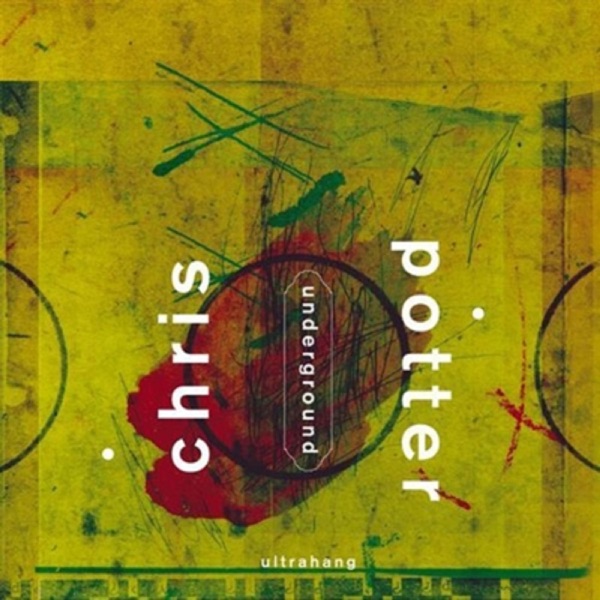
His early records as a leader lean hard into the acoustic post-bop tradition — tight, swinging, built on standards and originals with real harmonic depth. But Potter was never content to stay in one lane. Over the years he started incorporating electronics, looping, and heavier rhythmic ideas, particularly in his Underground band, which paired him with Craig Taborn, Adam Rogers, and Nate Smith. That group made records like [Ultrahang (2008) and Transatlantic (2010) that had nothing to do with retro jazz — loud, dense, almost prog-ish in places, but still completely improvised at the center.
On tenor, he sounds like someone who has thoroughly digested John Coltrane and Michael Brecker and then moved past both of them without quite sounding like either. The tone is big and full, the lines come fast and long, and he has an unusual ability to build a solo that feels genuinely thought through rather than just technically impressive. There is no filler in a Potter solo — no noodling while he figures out where to go next. He always seems to know where he is going.
He has also been one of the most in-demand sidemen of his generation, recording and touring with Dave Holland, Paul Motian, Herbie Hancock, and Wayne Shorter, among many others. Playing with that range of bandleaders gives you a sense of how adaptable he is — he does not impose the same personality on every context. He listens and adjusts, which is rarer than people think.
If you are coming to him fresh, Ultrahang (2008) is a good entry point if you want the electric, modern Potter, and Traveling Mercies (1997) or Unspoken (2017) will show you what he does in a more acoustic setting. Either way, you will hear a player who is completely himself — no posturing, no nostalgia, just someone who has put in the work and sounds like it.