2005 · Album
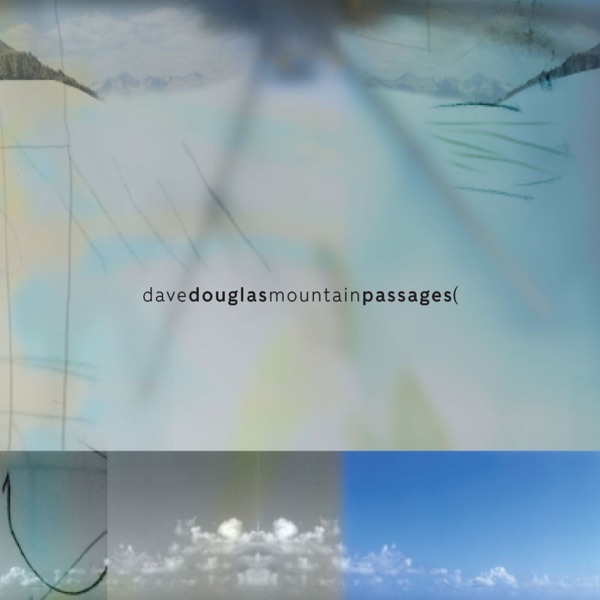
Mountain Passages
Recorded 2005 · Greenleaf Music · Produced by Dave Douglas
Douglas Charts New Ground on His Own Label
Mountain Passages modulates between contemplative and raucous, an alchemy of instrumental sonorities that rewards close listening.
When Dave Douglas launched Greenleaf Music in 2005, Mountain Passages arrived as both a statement and a risk—a major compositional step released on his own imprint rather than through an established label. Critics paid attention immediately. AllMusic reviewer Thom Jurek gave it four stars, praising Douglas's boundless aesthetic ambition and seemingly limitless ability to execute his vision. On All About Jazz, Brand Reiter captured the album's refusal to settle: solemn one moment, whimsical the next, darkly melancholic, then plaintively gorgeous. The music resists easy framing—it's jazz, sort of, but also something else entirely, and Reiter pegged it as undeniably worth your attention.
The album draws inspiration from Ladino music of the Northern Mediterranean, a thread that runs through Douglas's approach to melody and modal space. Working with Michael Moore on reeds, Marcus Rojas on tuba, Peggy Lee on voice, and Dylan van der Schyff on drums, Douglas constructs pieces that shift between extremes—contemplative passages giving way to raucous bursts of energy. The interplay between tuba and trumpet recasts what a rhythm section can do, while Lee's vocal contributions add a human dimension without sentimentality. The sonorities here are deliberately strange, layered in ways that ask the listener to sit with the sound rather than settle into it.
For Douglas, this marked a turning point: the first album on his own label, proof that he could frame his own vision without institutional mediation. It's not his most accessible record, and it was never destined for wide commercial reach. But it remains one of his most ambitious, a record that showed what happens when a restless composer gets full control of the studio and full control of the message.