Hands That Hit and Hold
If you want to understand Myra Melford's piano playing in one image, picture someone slapping the keys with an open palm and then, two bars later, coaxing out something so tender you forget she just did that. That contrast is the whole deal with her. She studied with Don Pullen, who was famous for that same percussive, almost physical approach to the keyboard, and you can hear the lineage. But Melford never just copied him — she took that physicality and ran it through blues, gospel, and years spent studying harmonium in India, and came out with a style that's hard to mistake for anyone else's.
She came up through Chicago and then New York in the 1980s and 90s, playing in the kind of scene where free jazz, written composition, and straight-up groove all sat at the same table. Her early trio records, especially Jump (1990) and Alive in the House of Saints (1993), already show her writing dense, angular tunes that still leave room to fall apart and rebuild in real time. She spent time in Henry Threadgill's band Zooid, which tells you something about the company she kept — composers who treat improvisation as structure, not decoration.
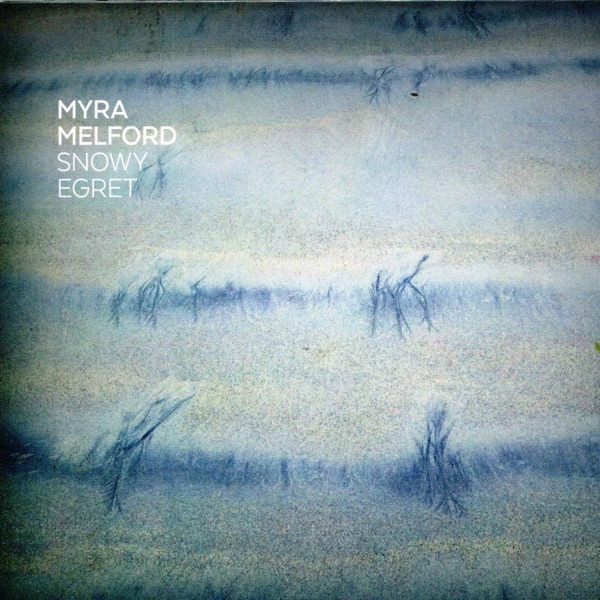
Over the years Melford has led a string of bands that each sound like a different answer to the same question: how do you keep a group both tight and wild at once? Be Bread, the quartet behind Be Bread (2008), folded the harmonium into jazz writing in a way that didn't feel like a gimmick. Snowy Egret, with Liberty Ellman on guitar and Ron Miles on cornet, leaned into knotty, almost folk-song melodies. And Trio M, her long-running group with Mark Dresser and Matt Wilson, is about as close as she gets to a working, touring unit — three strong personalities who know exactly how to get out of each other's way.
What's easy to miss, if you only catch the loud, hard-hitting side of her playing, is how patient she can be. Her ballads breathe. Her compositions have real architecture — intros that return transformed, themes that get chopped up and handed to different instruments. She's not interested in chaos for its own sake. The free passages mean more because you can hear the frame they're breaking out of.
These days she teaches at UC Berkeley and keeps recording and touring, often with longtime collaborators like drummer Ches Smith. She's not a household name outside serious jazz circles, and she'd probably be the first to say that's fine — she's always made music for people willing to lean in rather than music built to be easy. If you're curious where to start, go to Be Bread (2008) first, then work backward into the trio records. You'll hear a pianist who never stopped asking what else the instrument could do.