Melford Expands: Group Interplay at a Turning Point
Melford's elegantly knotted thematic materials and wild card-like structural features reached full realization with a larger ensemble.
The Same River, Twice arrived at a moment when Myra Melford was ready to step beyond the trio format that had defined her early work. After years of honing ideas in smaller settings, she brought a larger group into the studio to test what those catalytic, carefully constructed themes could do with more voices in the room. The result is a record where her compositional voice — precise, rhythmically inventive, never obvious — gets filtered through collective interpretation. Melford writes pieces that sound simple on first listen but reveal their architecture gradually, and here that approach benefits from ensemble texture and unexpected instrumental combinations.
What distinguishes this album from her trio recordings is the way individual voices negotiate her material. The expanded lineup creates space for genuine conversation rather than just accompaniment. Her piano sits at the center, but the group doesn't orbit it passively; instead, musicians find angles within her frameworks, pull in different directions, and make the compositions feel lived-in rather than executed. The pieces breathe differently with this much air in the room.
JazzTimes reviewer Bill Shoemaker recognized this inflection point, noting that it was The Same River, Twice (1996) where the full potential of her approach crystallized. The album landed solidly within Melford's catalog as evidence that her strengths as a composer — the intricate rhythmic thinking, the structural intelligence — could sustain and actually deepen when given ensemble resources to work with.
Who's playing
Myra Melfordpiano
Chris Speedclarinet, tenor saxophone
Dave Douglastrumpet
Michael Sarindrums
Erik Friedlandercello
Where next?
More by Myra Melford
All 18 albums →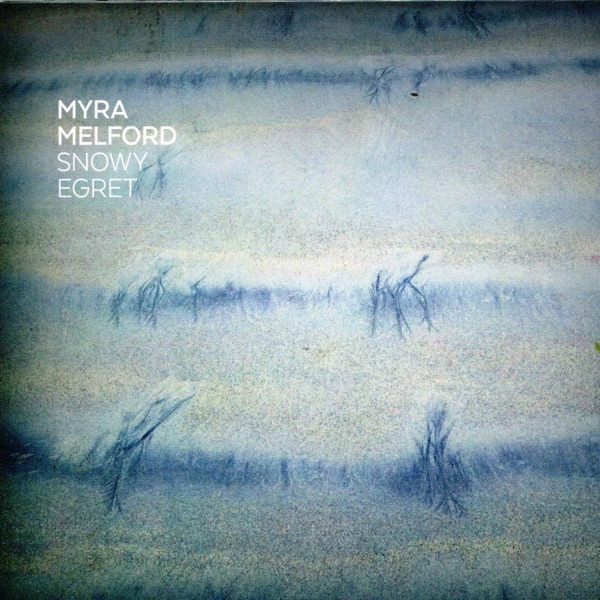

The musicians on this record
Their own records, close in time