An Orchestra Breathing as One
The ensemble breathes together like an orchestra rather than a session group reading charts.
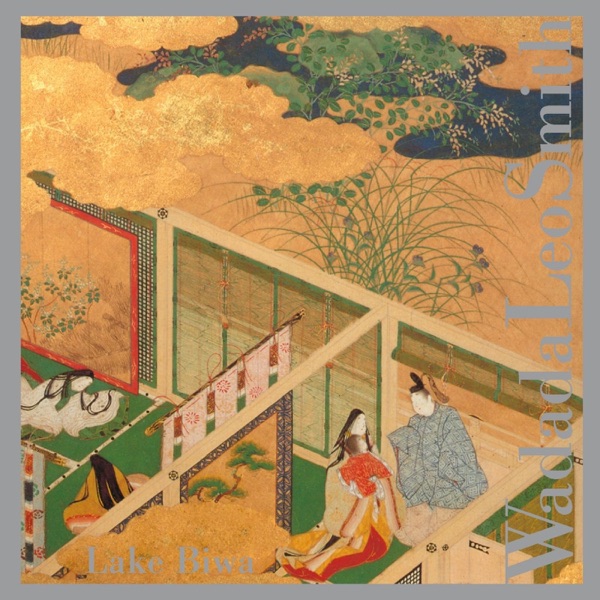
Marc Ribot's guitar is the first thing you notice on Lake Biwa (2004), and it's what makes this sound different from a typical Wadada Leo Smith session. Where Smith's trumpet and John Zorn's alto saxophone stake out the conceptual territory, Ribot moves through these four long pieces like someone translating between the composed architecture and the collective improvisation happening around him. His voice is unmistakable—angular, conversational, never decorative. On tracks that stretch past twenty minutes, Ribot becomes a kind of anchor, a voice the listener can follow when the ensemble's density threatens to overwhelm.
What's striking is how Smith and Zorn assembled this group. With two bassists, four pianists, three drummers, and a full string section anchored by Jennifer Choi's violin and Erik Friedlander's cello, this reads like a chamber orchestra by way of avant-garde jazz. Yet it doesn't collapse under its own weight. The musicians—including Craig Taborn on keys, Gerald Cleaver and Susie Ibarra on drums, and Marcus Rojas on tuba—don't play like soloists taking turns. They breathe together, as one reviewer noted. The four pieces, composed between 2000 and 2004, feel written with this specific ensemble in mind, not adapted for it.
Ribot's presence keeps the music grounded. When everything else is in motion, his sharp, declarative lines remind you there's something being said underneath the orchestral wash. This is a thinking player's album, densely composed but alive with genuine discovery. It's not an easy listen, but AllMusic called it "full of invention," and that invention matters most when you have someone like Ribot in the room making sure the listener never loses the thread.
Who's playing
Wes Brownbass
John Lindbergbass
Anthony Colemanpiano
Yuko Fujiyamapiano
Jamie Saftpiano
Craig Tabornpiano
Marc Ribotguitar
John Zornalto saxophone
Wadada Leo Smithtrumpet
Gerald Cleaverdrums
Susie Ibarradrums
Kwaku Kwaakye Obengdrums
Jennifer Choiviolin
Erik Friedlandercello
Marcus Rojastuba
Where next?
More by Wadada Leo Smith

Saturn, Conjunct the Grand Canyon in a Sweet Embrace 2004

Organic Resonance 2003

Wisdom in Time 2007
Kulture Jazz 1993
The musicians on this record
Their own records, close in time