1993 · Album
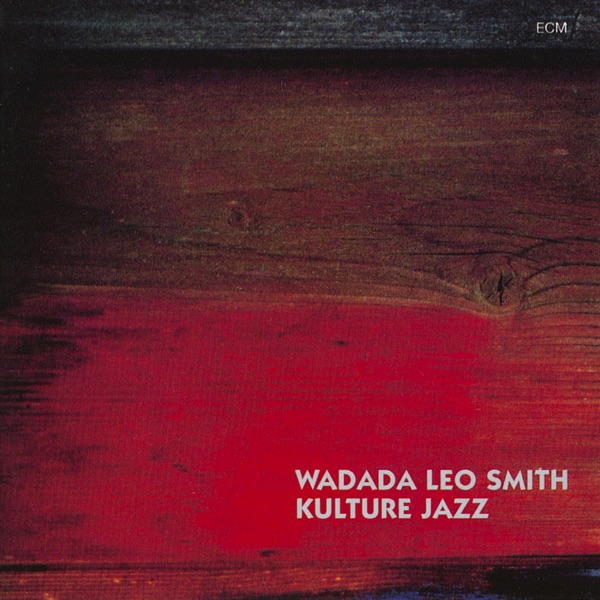
Kulture Jazz
Recorded October 1992 · ECM · Produced by Manfred Eicher
One Man's Instruments, One Man's Vision
Smith alone in the studio with trumpet, harmonica, bamboo flute, and his own voice—a deeply personal statement.
Recorded in October 1992 and released on ECM in 1993, Kulture Jazz is Wadada Leo Smith working entirely alone, overdubbing himself across trumpet, harmonica, bamboo flute, percussion, and various Asian and African instruments, plus his own voice. This was a deliberate choice—not a limitation but a method. Smith had released Divine Love (1979) for ECM years earlier, and by the early nineties he was ready to make something that could only come from solitude, layering his own musical languages until they spoke to each other without mediation.
What you hear is meditation as much as improvisation. The music moves between blues feeling, folk melody, and freely inventive passages, often within the same piece. Smith's trumpet work is lean and searching rather than virtuosic, and his use of the bamboo flute and percussion creates spaces where his voice—sometimes wordless, sometimes singing short phrases—becomes another instrument entirely. AllMusic reviewer Eugene Chadbourne called it a true masterwork, praising how it illuminates the connected natures of folk, blues, jazz, and creative music.
This is not a display of technical mastery. It is personal in a way that makes you feel you are listening to someone think aloud, choosing what to say next and how to say it, without the intervention of other players. The meditative quality that emerges is earned, not manufactured, and it marks a genuine peak in Smith's work for the label.