Clusters With a Gospel Heart
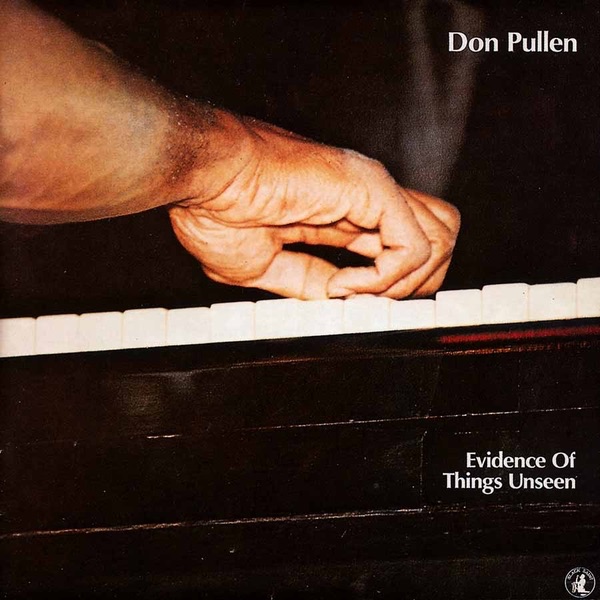
Here's the thing about Don Pullen that you need to know before you press play: he could sound like he was destroying the piano and comforting you at the same time, often in the same eight bars. His right hand would hammer out dense, dissonant clusters — the kind of stuff that scared off polite listeners in the 1960s — while his left hand kept a rolling, bluesy groove going underneath, something closer to church than to the avant-garde. That combination is what makes him instantly recognizable. You hear thirty seconds of Pullen and you know it's him.
He grew up around Roanoke, Virginia, playing piano in church, and that gospel foundation never left him no matter how far out he went. In the early '60s he fell in with the New York free jazz underground, playing with Giuseppi Logan and recording duo sessions with the drummer Milford Graves that are about as uncompromising as jazz gets from that era. This was Pullen establishing himself as a serious avant-garde voice, full stop, before anyone thought to ask whether he could also swing.
Then Charles Mingus hired him in the early 1970s, and that changed things. Mingus wasn't interested in noise for its own sake — he wanted a pianist who could do both the wild stuff and the deep blues feeling his music demanded, and Pullen was exactly that guy. You can hear him on Changes One (1974) and Changes Two (1974), playing with real control inside Mingus's dense arrangements, never losing the cluster-heavy attack but using it with purpose. That gig put him on the map in a way the downtown loft scene never could have.
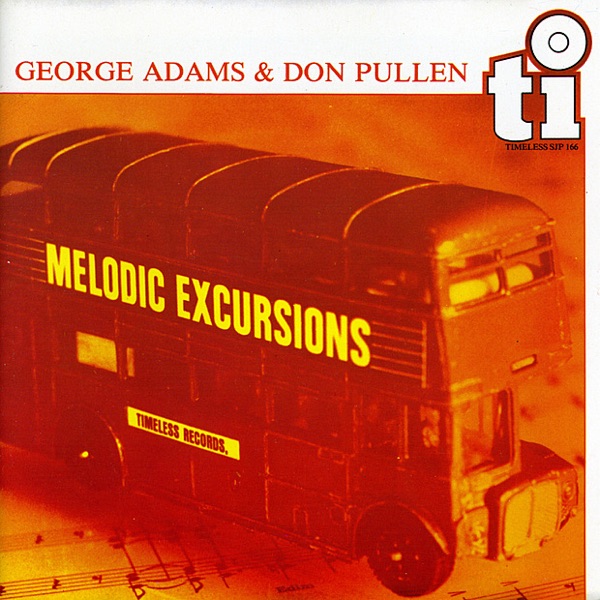
The partnership that really defined him, though, was with the tenor saxophonist George Adams. The two of them led a quartet together for over a decade, with Dannie Richmond on drums and Cameron Brown on bass — both Mingus alumni, which tells you something about the lineage. That band made records like Breakthrough (1986) that somehow held together hard-swinging post-bop, free blowouts, and genuine tenderness without any of it feeling like a stunt. It's some of the most purely fun avant-garde-adjacent jazz anyone made in that period.
Pullen kept pushing right up until the end. His Blue Note trio record New Beginnings (1988), with Gary Peacock and Tony Williams, is a great entry point if you want to hear the cluster-and-gospel thing distilled to its essence. Later he put together the African-Brazilian Connection, folding in Afro-Latin rhythms and organ, on records like African-Brazilian Connection (1992) — still restless, still searching for new places to put that two-handed attack. He died of lymphoma in 1995, only in his early fifties, which felt like it cut off a musician who still had more combinations to try.