Where do you listen?
Choose your streaming service
inside the sleeve
Loading…
inside the sleeveITS
⌕
Read About
Piano - USA - Free Jazz

Cecil
Taylor

Start here Silent Tongues (1975) →
1929 - 2018, USA

Cecil Taylor approached the piano like nobody else — clusters of notes fired at high velocity, rhythm treated as a physical force rather than a steady pulse, the instrument itself pushed until it sounded like a whole orchestra in argument with itself. He spent decades on the margins of a music industry that had no idea what to do with him, playing for tiny audiences and teaching to pay rent, while younger musicians quietly studied everything he did. When the wider world eventually caught up, he had already moved somewhere else entirely.

Free JazzAvant-Garde Jazz
Cecil Taylor

Eighty-Eight Keys, No Ceiling

Before you press play on anything by Cecil Taylor, you need to adjust your expectations. If you're waiting for a melody to hold onto or a groove to settle into, you're going to have a rough time. His music asks you to listen differently — not for the tune, but for the texture, the pressure, the density of sound. Think of it less like a song and more like weather. There are patterns in there, but they move fast and they don't repeat the way you're used to.

Taylor came up in the 1950s with serious classical training behind him, and you can hear it — not in the sense that his music sounds like classical piano, but in the sense that he understood the full range of the instrument and had no interest in limiting himself to jazz conventions. His early records, like Unit Structures (1966) and Conquistador! (1966), were made when free jazz was still a fighting word, and they sound like someone kicking the door off its hinges. The ensembles he assembled were tight even when the music seemed to be flying apart — Jimmy Lyons on alto saxophone was with him for years and knew exactly how to move inside that chaos.

What Taylor actually does at the keyboard is hard to describe without resorting to physics. He plays with his palms, his forearms, his fists — not as a stunt, but because the music he hears requires that kind of force. The attacks are percussive, the sustain is used architecturally, and the density of notes in any given passage would be overwhelming from anyone else. But there's logic in it. Spend enough time with his records and you start to hear how ideas develop, how sections build and release, how the whole thing is structured even when it sounds most extreme. Live in the Black Forest (1978) is a good place to hear this — it's solo piano and it gives you time to follow one mind doing extraordinary things without anyone else in the way.

For most of the 1960s and into the 1970s, Taylor was genuinely broke. Clubs didn't want to book music that cleared rooms, and record labels weren't interested in artists audiences hadn't figured out yet. He taught, he took odd work, and he kept playing. The recognition, when it came — grants, festival bookings, academic attention — was real, and he handled it without softening anything about his music. The later records are just as uncompromising as the early ones. He was never performing difficulty for its own sake; this was simply how he heard music.

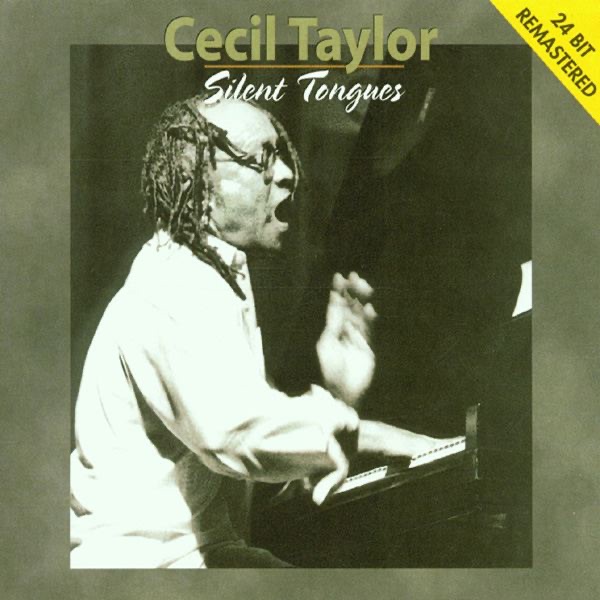
If you're new to Taylor, don't start with the longest or most demanding record. Try Silent Tongues (1975), his solo set recorded at the Montreux Jazz Festival — it has room to breathe and it's a good introduction to how he shapes a performance over time. From there you can go deeper: the unit recordings, the collaborations with Archie Shepp or Max Roach, the late-career duo work. The music rewards patience more than most jazz does, and once it clicks, it genuinely sounds like nothing else in the piano's history.
Facts
BornMarch 25, 1929, Long Island, New York
DiedApril 5, 2018, Brooklyn, New York
InstrumentPiano
Active1950s – 2018
Known forFree jazz piano, percussive technique, extended improvisation
Connections
Jimmy LyonsLong-term collaborator, alto saxophone
→
Archie SheppEarly collaborator, free jazz scene
→
Max RoachDuo recordings, percussion counterpart
→
Read more

Discography

77 records
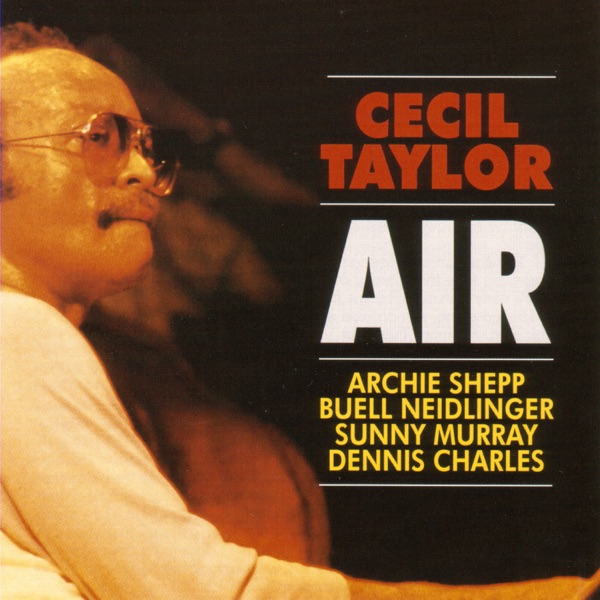
Air
Air
1960
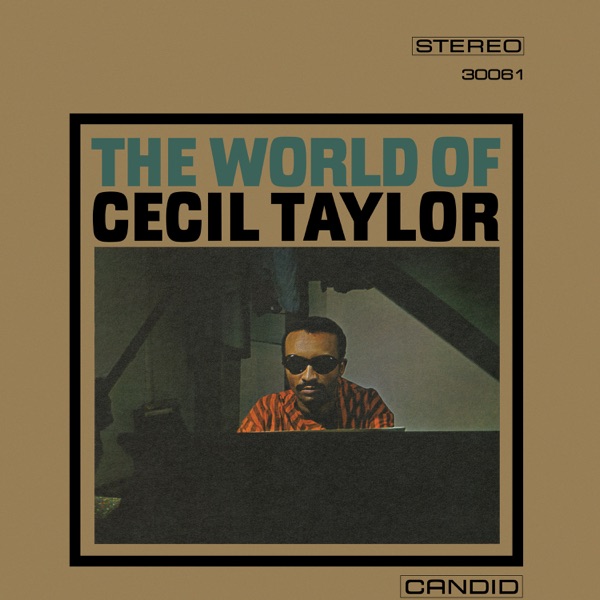
The World of Cecil Taylor
1960
♫
Innovations
1961
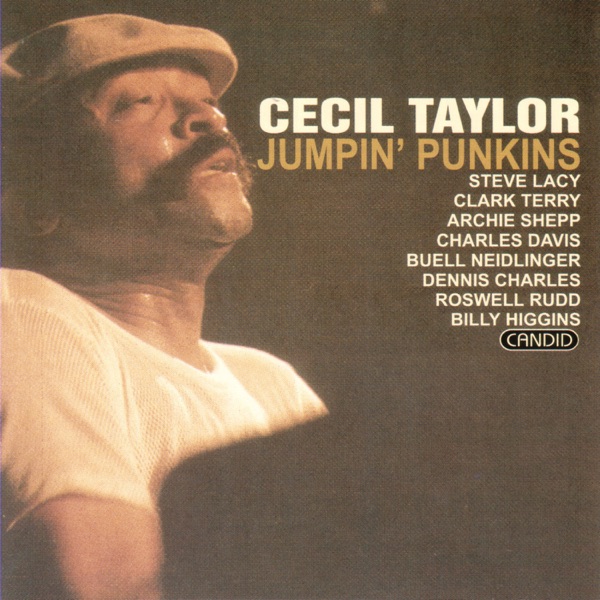
Jumpin’ Punkins
Jumpin’ Punkins
1961
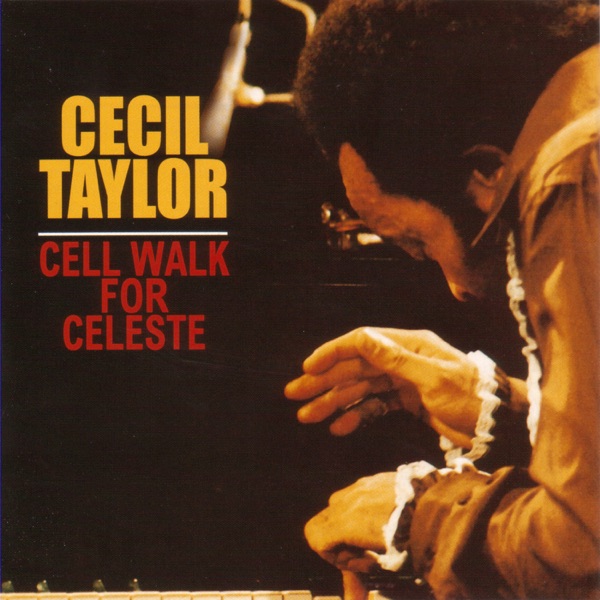
Cell Walk for Celeste
1961
New York City R&B
New York City R&B
1961
♫
Chinampas
1962
♫
Live at the Cafe Montmartre
1963
Unit Structures
Unit Structures
1966
Conquistador!
Conquistador!
1967
♫
Praxis
1968
♫
Respiration
1968
♫
Nuits de la Fondation Maeght, vol. 1
1971
♫
Nuits de la Fondation Maeght, vol. 2
1971
♫
Nuits de la Fondation Maeght, vol. 3
1971
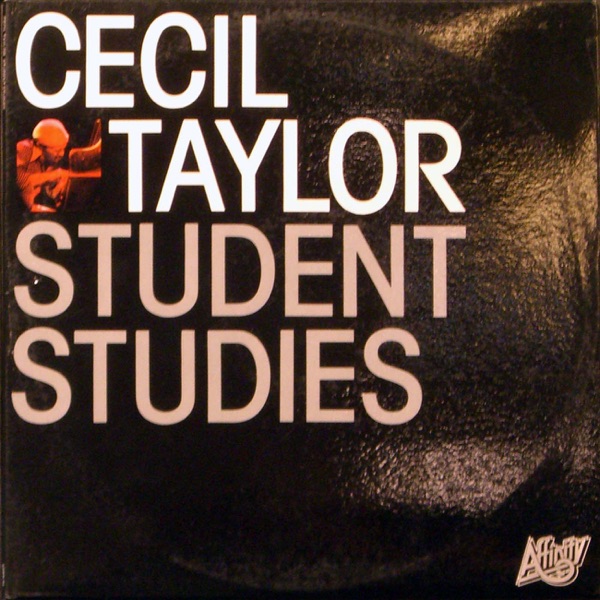
Student Studies
Student Studies
1973
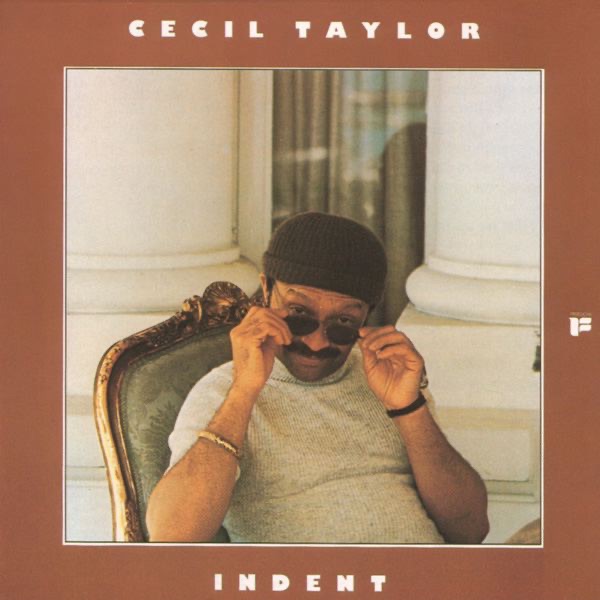
Indent
Indent
1973
Silent Tongues
Silent Tongues
1975
♫
Air Above Mountains ‹ Buildings Within ›
1977
♫
Nachricht vom Lande
1977
Embraced
Embraced
1978
The Cecil Taylor Unit
1978
3 Phasis
3 Phasis
1979
Live in the Black Forest
1979
Garden 2
Garden 2
1981
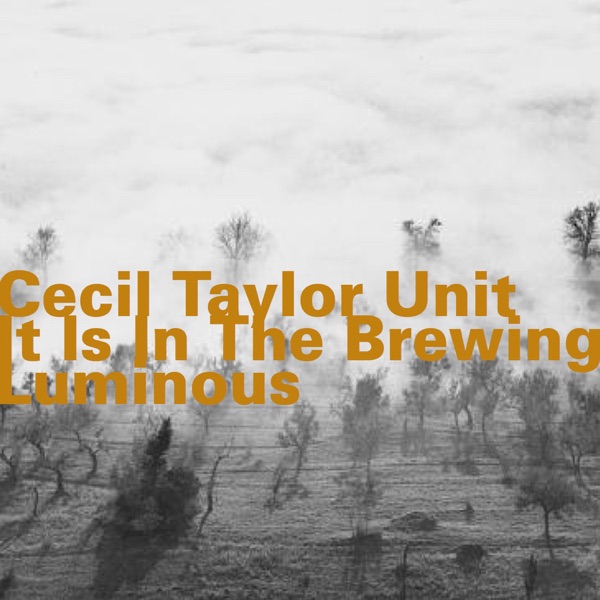
It Is in the Brewing Luminous
1981
Fly! Fly! Fly! Fly! Fly!
1981
Garden 1
Garden 1
1981
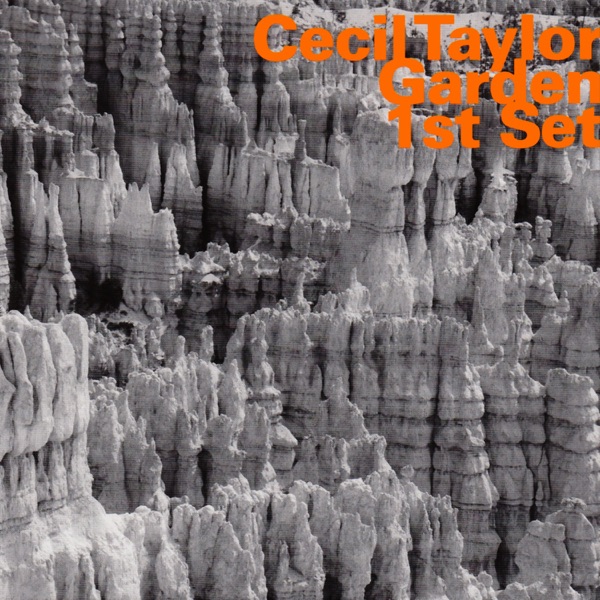
Garden
Garden
1982
The Eighth
The Eighth
1983
♫
Music From Two Continents: Live at Jazz Jamboree ‘84
1984
♫
Historic Concerts: McMillin Theatre, Columbia U., New York, December 15, 1979
1984
Amewa: Live at Sweet Basil
1986
Iwontunwonsi: Live at Sweet Basil
1986
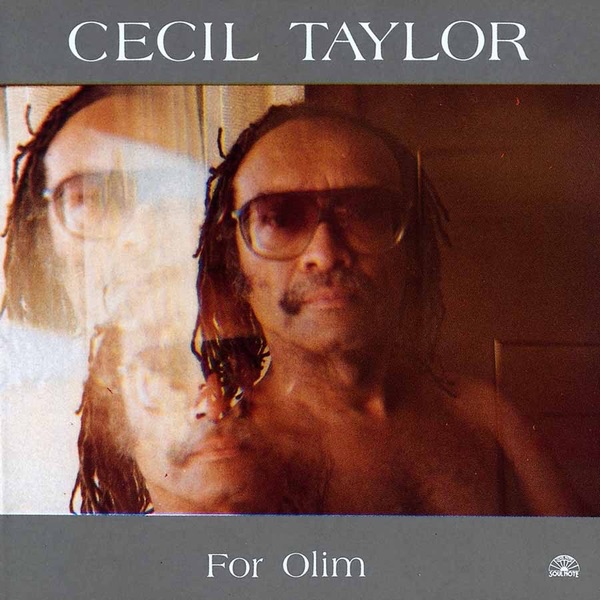
For Olim
For Olim
1987
Tzotzil / Mummers / Tzotzil
1988
♫
Spots, Circles, and Fantasy
1989
♫
Regalia
1989
♫
Pleistozaen mit Wasser
1989
♫
Riobec
1989
♫
The Hearth
1989
♫
Remembrance
1989
♫
Leaf Palm Hand
1989
♫
In East-Berlin
1989
♫
Erzulie Maketh Scent
1989
♫
Looking (Berlin version) Solo
1990
♫
LOOKING (Berlin Version) CORONA
1990
♫
CT: The Dance Project
1990
♫
In Florescence
1990
♫
Duets 1992
1992
♫
Double Holy House
1993
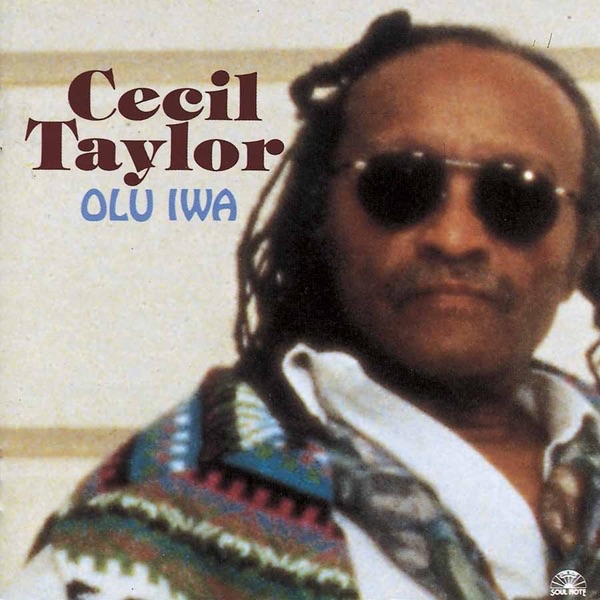
Olu Iwa
Olu Iwa
1994
♫
Almeda (To Matie)
1996
♫
Corona
1996
♫
The Tree of Life
1998
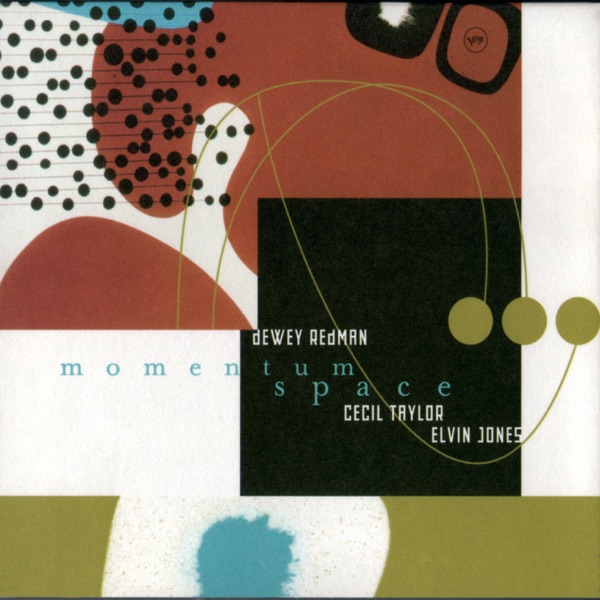
Momentum Space
Momentum Space
1999
Poschiavo
Poschiavo
1999
♫
At AngelicA 2000 Bologna
2000
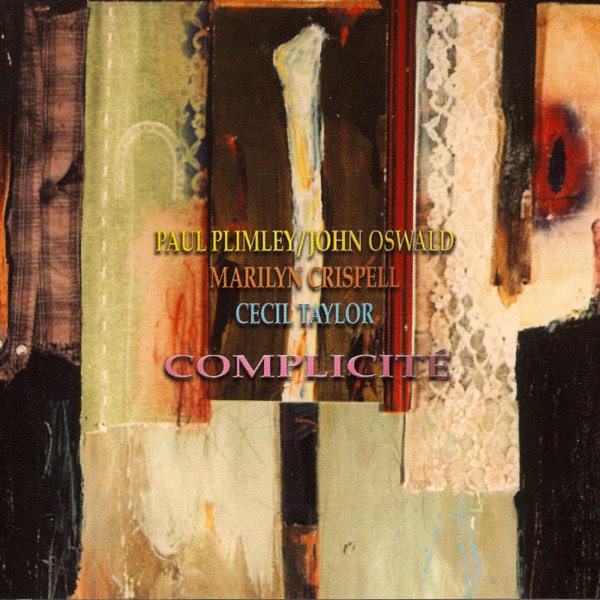
Complicité
Complicité
2001
The Willisau Concert
2002
♫
....... Being Astral and All Registers – Power of Two......
2002
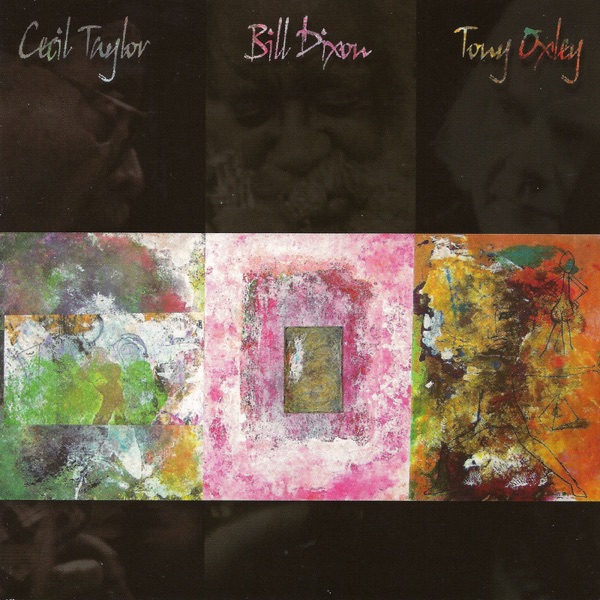
Cecil Taylor / Bill Dixon / Tony Oxley
2002
♫
The Owner of the River Bank
2003
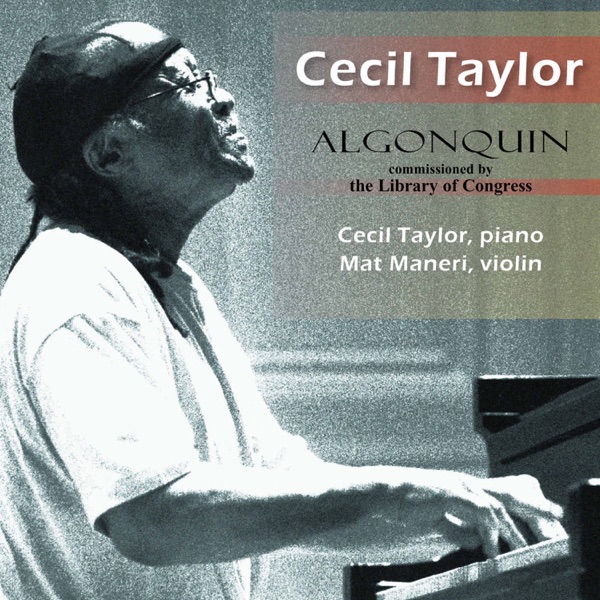
Algonquin
Algonquin
2004
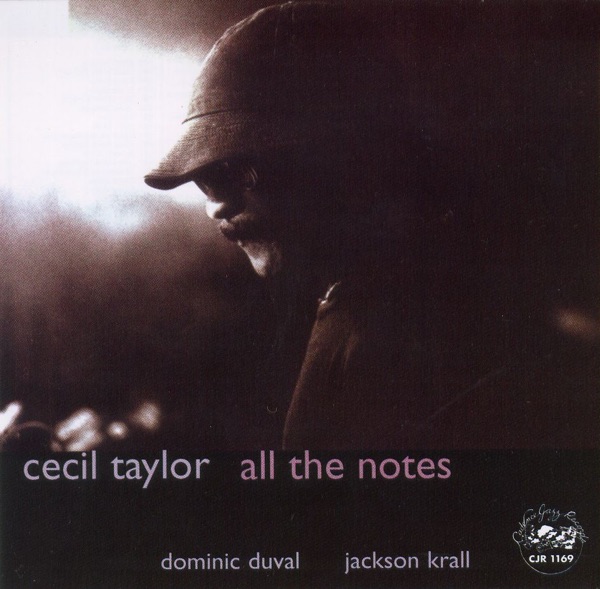
All the Notes
All the Notes
2004
Conversations With Tony Oxley
2008
♫
The Last Dance
2009
Piano Solo at Town Hall 1971
2009
♫
Ailanthus / Altissima: Bilateral Dimensions of 2 Root Songs
2010
♫
Birdland, Neuburg 2011
2011
♫
Solo • Duo • Poetry
2012
♫
Nona's Blues, Vol. 2
2013
♫
Nona's Blues, Vol. 3
2013
♫
Nona's Blues, Vol. 1
2013
♫
Live in Ruvo di Puglia 2000
2021
The Complete, Legendary, Live Return Concert at The Town Hall NYC November 4, 1973
2022
♫
Flashing Spirits
2025

Collaborations

Live on Youtube

Explore Further

Selected connections
Pianist, USA
Muhal Richard Abrams
Another deeply serious pianist who built his own language outside mainstream jazz. If Taylor's architecture interests you, Abrams offers a different but equally rigorous approach.
Explore →
Album, 1960
Free Jazz: A Collective Improvisation
Ornette Coleman's landmark double-quartet record came out around the same moment Taylor was developing his own free approach — good context for the era and the argument.
Explore →

Who's playing
Listen next
Recording Info
Track listing
Musicians
Further Reading
Read more

Where next?

More by this artist

Albums with the same musicians

From the same era

Similar artists

inside the sleeve
Growing
Jazz, explained without pretension.
Read · Follow the connections · Press play
Right now: 7,100+ albums · 440+ artists
Start here
New to jazz? These artists are good places to start.
Loading…
Explore
Nine records worth getting lost in.
Born today
Album of the day
A landmark record, every day.
Read
  • Loading…
Article archive →
Recently added
Purpose
Inside the Sleeve is your companion on a journey through jazz — not a textbook, but something closer to a knowledgeable friend sitting next to you while you listen. Read about an artist, press play, follow a connection, discover an album you didn't know you needed.
Suggestions
Read

Articles

Essays, guides, and lists about jazz and the records that matter.

Loading…

Genre

Key Artists
Further Reading

Essential Albums

Related Genres

In This Genre

About

Inside the Sleeve

Work in progress

Inside the Sleeve grows continuously — new artists and albums are added, essays refined, as visitors explore and our editors follow up on what they find. Content, features, and design are still evolving; use the Report error button on any page to flag something that seems off.

Content

Every artist, album, and release date on Inside the Sleeve is real — verified against trusted sources including MusicBrainz and Wikipedia. We don't invent discographies or fabricate records. AI compiles that verified information into readable prose — essays on artists, albums, and the music itself. We can't manually review every essay before publishing, but every reported error is checked by a human editor.

Inside the Sleeve is not a review site. We're not here to rate or rank — we're here to guide you in. Where an album stands out, we'll say so. Where an artist changed everything, you'll know why. But we won't tear anything down. Jazz history is complex and sources sometimes disagree — if you spot something that seems off, please report it.

Streaming

Inside the Sleeve links to Spotify and Apple Music so you can listen while you read. These are not affiliate links. For Spotify, links open a search on open.spotify.com — we do not have direct links to specific recordings. For Apple Music, direct links are used where available, otherwise a search is opened.

Your choice of streaming service is stored locally in your browser only. It is never sent to our servers.

We're working on deeper Spotify integration, including direct links to specific recordings.

Privacy

Inside the Sleeve does not collect personal data and does not use cookies. We count page visits anonymously using a self-hosted analytics tool — no personal identifiers are stored, and the data never leaves our own server. The only preference stored on your device is your streaming service choice, saved locally in your browser and never transmitted.

When you submit a suggestion or error report, the text you write is stored in our database. No name or email is required or collected unless you choose to provide one.

Third-party services

Spotify and Apple Music are independent services with their own terms of use and privacy policies. Inside the Sleeve is not affiliated with or endorsed by either company.

Support

Inside the Sleeve is free and ad-free. If you enjoy it, a coffee helps cover server costs and keeps the project going.

Amazon

Some book recommendations on Inside the Sleeve link to Amazon. Buying through these links costs you nothing extra — but Amazon pays us a small commission, which goes directly towards keeping the site running. It's a simple way to support the project if you were going to buy the book anyway.

As an Amazon Associate, Inside the Sleeve earns from qualifying purchases.

Questions or feedback? Use the suggestion box on the front page.

Inside the Sleeve — A guide for those who want to go beyond the obvious About & Privacy