1981 · Album
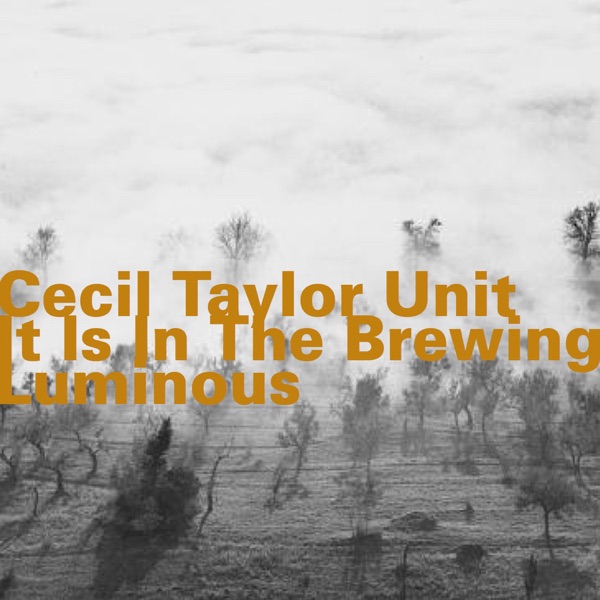
It Is in the Brewing Luminous
Recorded February 8–9, 1980 · Hat Hut · Venue: Fat Tuesdays, New York City · Personnel: Cecil Taylor (piano), Jimmy Lyons (alto saxophone), Ramsey Ameen (violin), Alan Silva (bass), Jerome Cooper (drums), Sunny Murray (drums)
Dense Beauty in a Downtown Room
Taylor sounds like a human dynamo while Lyons' solos shimmer with fragile beauty.
Fat Tuesdays in lower Manhattan, February 1980: Cecil Taylor at the piano with Jimmy Lyons on alto saxophone, Ramsey Ameen on violin, Alan Silva on bass, Jerome Cooper on drums, and Sunny Murray also on drums. Six musicians in a club room, no arrangements, just intensity. This is Taylor operating at full power—not mellowing with age but doubling down on what he'd been building for decades: a music of relentless complexity where lyricism arrives as punctuation, not foundation.
What comes through is exactly what Scott Yanow heard: density that never feels cluttered, fragile moments breaking through the piano's assault. Lyons trades phrases with Taylor's churning left hand, finding pockets of air in the noise. The two-drummer approach—Cooper and Murray—creates a thick, almost overwhelming rhythmic field that forces everything else higher, brighter, sharper. Silva's bass anchors without constraining. This is not a record that rewards casual listening or background play. It demands attention.
The performance splits across two nights, originally released as a double LP before becoming a single CD. That sprawl matters. Taylor wasn't interested in economical statements by 1980. These were long, building sets where repetition and variation created their own logic. If you've never encountered Taylor live, this captures exactly why his music unsettled and excited people in real time—not safe, not easy, and built to last.
Who's playing
Cecil Taylorpiano
Jimmy Lyonsalto saxophone
Sunny Murraydrums
Jerome Cooperpercussion
Alan Silvastrings
Ramsey Ameenviolin
Where next?
More by Cecil Taylor
All 77 albums →
The musicians on this record

Hommage to Africa 1970
Sunny Murray
plays drums (drum set) here
plays drums (drum set) here
♫
In the Tradition 1993
Alan Silva
plays strings here
plays strings here