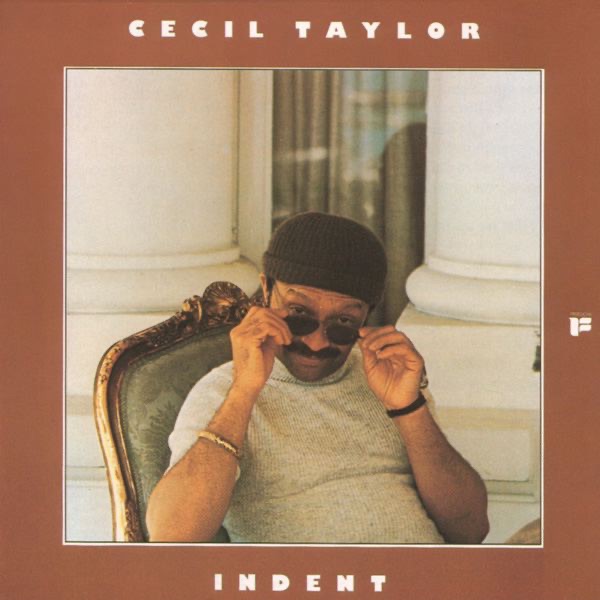
1973 · Album
Indent
Recorded March 1973 · Unit Core (original); Arista Freedom (wider release) · Format: Solo piano, live performance
Solo at the Edge of Control
Taylor's fingers move like he's arguing with the piano itself, wrestling something out of it that wasn't there before.
Indent arrived quietly in 1973 on Cecil Taylor's own Unit Core label, a solo piano recital that didn't immediately command wide attention. When it eventually reached listeners through wider distribution on Arista Freedom, critics responded with genuine excitement. AllMusic reviewer Scott Yanow praised Taylor's "control of the piano, his wide range of percussive sound and his endurance," while the Penguin Guide to Jazz Recordings awarded it four stars, noting how the album unfolds in three distinct sections: a thoughtful opening, a middle passage of conflicting effects, then astonishing arpeggios that sound like the keyboard being "levered apart."
This was Taylor's first officially released solo performance, arriving four years after the limited-circulation Praxis. What makes Indent essential is how it captures Taylor doing what only he could do at that moment—attacking the piano as both melodic and percussive instrument simultaneously. He's not playing jazz in any recognizable bebop sense. Instead, he constructs dense, kinetic passages where harmony and pure sound collide. The piano becomes almost orchestral under his hands, layers of notes tumbling over each other without ever sounding chaotic, even when they push toward the edge of control.
This is demanding music, uninterested in comfort or accessibility. But it's also unquestionably alive—a document of one of jazz's most uncompromising voices at full intensity, alone with an instrument, nowhere to hide.
Where next?
More by Cecil Taylor
All 77 albums →