1961 · Album
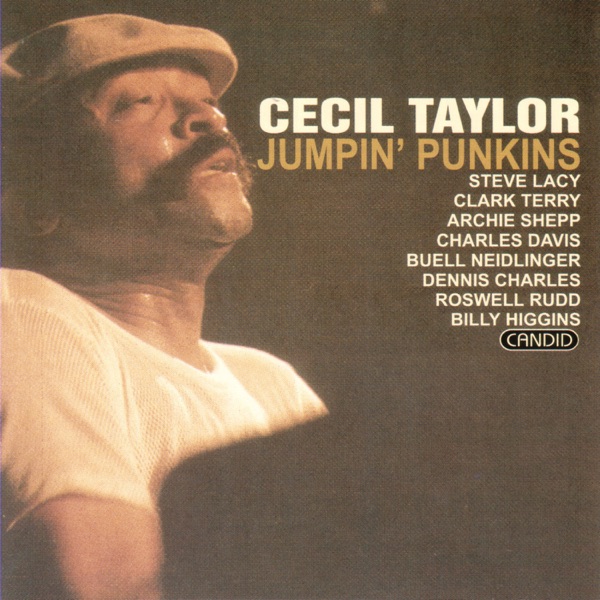
Jumpin’ Punkins
Recorded January 1961 · Candid · Produced by Not specified in source material
Jarring Comping and Mercenary Spirits
Taylor's piano work behind the soloists is genuinely strange—it works, somehow, against all logic.
What hits you first is the friction. Cecil Taylor's piano doesn't accompany these horns so much as interrupt them, clustering notes at angles that shouldn't support anything, yet the band holds. On "Jumpin' Punkins" and "Things Ain't What They Used to Be," Clark Terry, Roswell Rudd, Steve Lacy, Charles Davis, and Archie Shepp navigate Taylor's jarring comping like experienced pilots correcting for unexpected wind shear. The rhythm section—Buell Neidlinger on bass and Billy Higgins on drums—locks in tight enough to make the whole contraption fly.
The smaller group tracks swing differently. "O.P." and "I Forgot" strip things down to Taylor, Neidlinger, Denis Charles on drums, and the younger Shepp, and you hear more air in the music, more room for the piano's angular logic to unfold. AllMusic reviewer Scott Yanow called this "a good sampler of Cecil Taylor's marathon Candid sessions," and he's right—these recordings capture Taylor mid-discovery, still grappling with how modernist piano language could coexist with players who came up on swing and bebop standards.
The album sat in limbo for years. Recorded in January 1961, it first surfaced in Japan in 1977, then languished until a U.S. release finally came in 1987. That delay matters less than what's actually on tape: a pianist refusing to play supporting roles, pulling the ground out from under his section mates just to see if they'd stay standing. The Penguin Guide to Jazz Recordings gave it top marks, and there's no mystery why. Taylor wasn't showing off or being difficult for difficulty's sake—he was testing whether these musicians could think as fast as his hands moved.
Who's playing
Buell Neidlingerbass
Cecil Taylorpiano
Archie Shepptenor saxophone
Charles Davisbaritone saxophone
Steve Lacysoprano saxophone
Clark Terrytrumpet
Roswell Ruddtrombone
Denis Charlesdrums
Billy Higginsdrums
Where next?
More by Cecil Taylor
All 77 albums →

The musicians on this record
Their own records, close in time


