Radical Form Meets Tradition's Call
Cyrille channels 1960s free jazz intensity through a formal structure that honors what came before.
Special People opens with sparse, deliberate sound—Andrew Cyrille's percussion setting the frame, David S. Ware's tenor cutting through with urgent clarity, Ted Daniel's brass responses sharp and searching. Nick DiGeronimo's bass anchors without locking things down. The music breathes in uneven rhythms, shifting between moments of near-silence and sudden collective intensity. It does not feel composed in the conventional sense, yet nothing sounds improvised in the loose way. This is structured freedom—a specific idea being worked out in real time, with players responding to an architecture only they seem to know.
Cyrille spent the 1960s exploring the outer edge of free jazz as a member of Cecil Taylor's group and Cecil Taylor Unit. By 1980, when this was recorded, he had moved toward something different: taking the harmonic and rhythmic density of that earlier work and filtering it through tighter compositional forms. The Penguin Guide to Jazz Recordings noted that pieces like "High Priest" represent "a significant extension of 1960s radicalism into a more formal and tradition-aware context," and Daniel's presence—his ability to phrase and bend tones in ways that acknowledge jazz history while remaining completely present-tense—makes that shift audible. This is not a return to bebop or hard bop. It is harder than that: a reconsidering of what freedom and form might mean together.
For listeners familiar with Cyrille's earlier work, this album marks a real turning point. It is neither a peak nor a departure so much as a visible reckoning—an artist deciding that the radical gestures of a previous decade need not abandon craft or shape. The result is dense, occasionally difficult, always attentive. Not a gateway record, but one that rewards sustained attention.
Who's playing
Where next?
More by Andrew Cyrille
♫
To Hear the World in a Grain of Sand - World Music: Live at the Donaueschingen Festival 1986
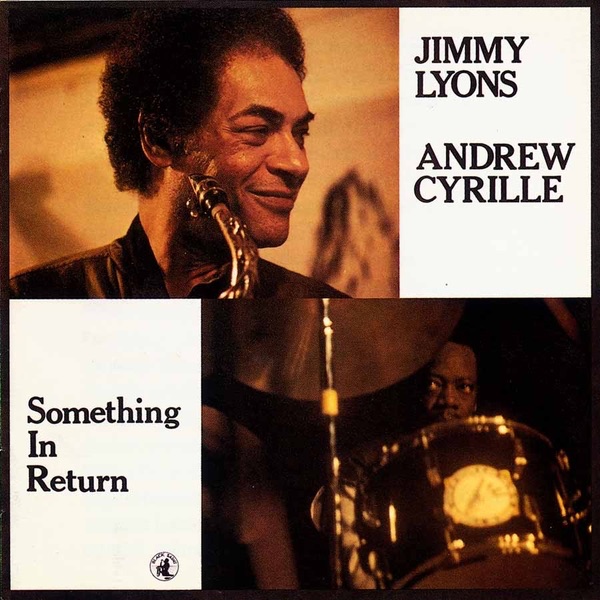
Something in Return
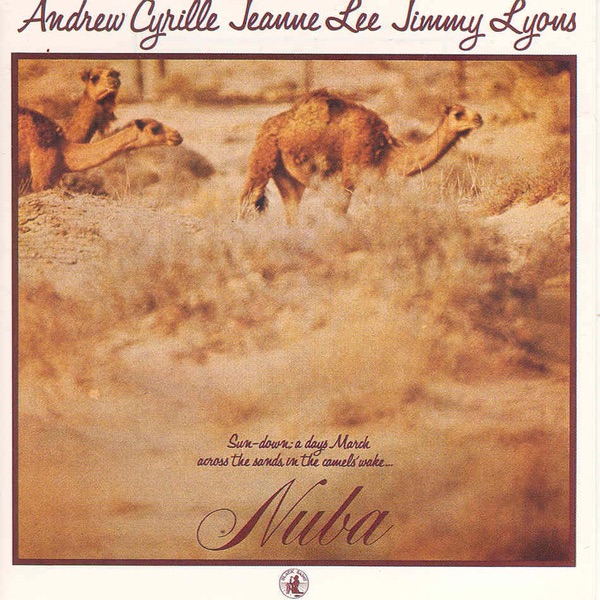
Nuba 1979
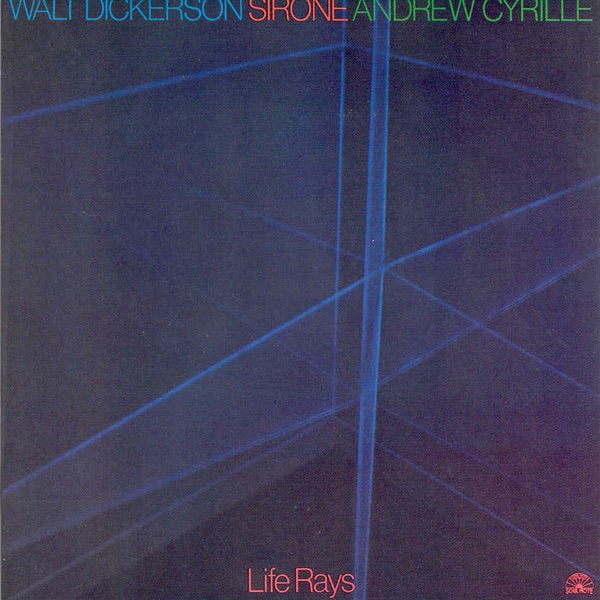
Life Rays 1982
The musicians on this record
Their own records, close in time