1984 · Album
Music From Two Continents: Live at Jazz Jamboree ‘84
Recorded October 26, 1984, Jazz Jamboree festival, Warsaw, Poland · Fundacja Słuchaj! (2021 release) · Produced by Not specified in available sources
Taylor's Ensemble Ritual in Warsaw
Even when everyone is blowing their heads off, it is always, unmistakably, the music of Cecil Taylor.
Cecil Taylor arrived in Warsaw on October 26, 1984, just days after finishing studio work in Milan that would become Winged Serpent. The Jazz Jamboree festival gave him a stage and a large ensemble—a rare luxury for a pianist whose music could be isolating in its density and demand. What emerges here is Taylor conducting an hour-long ritual rather than a conventional set. The performance carries the architectural thinking of his studio work but gains something sharper from live friction: the ensemble responding in real time to his kinetic direction, moments of chanting and shouting breaking through the expected frenetic passages, then pulling back into languorous, muted territory that lets the complex harmonies breathe.
Most of the same musicians from the Milan sessions are present, which matters—they had already begun learning Taylor's particular syntax. The album captures something that studio recording often cannot: the ensemble understanding not just the notes but the ritual structure underneath. Ken Waxman heard it as containing "multiple distinct timbres proposed at the same time, with internal logic preventing babbling turbulence," which is exactly right. This is not controlled chaos or intellectual exercise. It is Taylor's language made audible through a group, each musician bringing their own voice while remaining unmistakably within his compositional gravitational field.
The recording sat unreleased for decades before Fundacja Słuchaj! issued it in 2021. By then Taylor's late work had already shifted critical perception, and listeners could hear this Warsaw performance as part of a sustained vision rather than a curiosity. It occupies a specific place in his output—not a debut, not a peak, but evidence of mature authority and a pianist uninterested in repeating himself at any stage of his career.
Who's playing
Karen Borcabassoon
Gunter Hampelbass clarinet
William Parkerdouble bass
Cecil Taylorpiano
Jimmy Lyonsalto saxophone
John Tchicaitenor saxophone
Frank Wrighttenor saxophone
Enrico Ravatrumpet
Tomasz Stańkotrumpet
Konrad „Conny“ Bauertrombone
André Martínezdrums
Where next?
More by Cecil Taylor
All 77 albums →
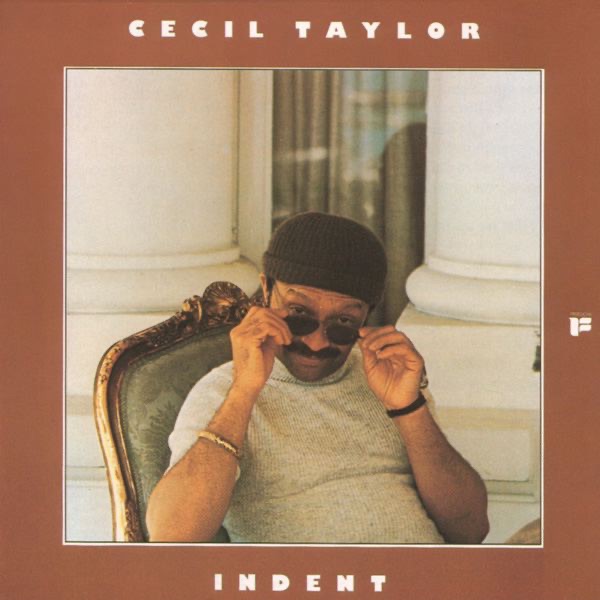
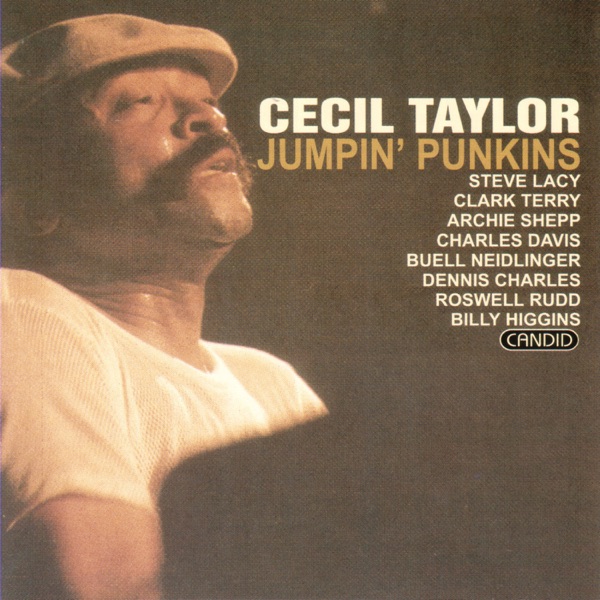
The musicians on this record

Suspended Night 2004
Tomasz Stanko
plays trumpet here
plays trumpet here
♫
Some Order, Long Understood 1983
William Parker
plays double bass here
plays double bass here