The Architect Who Played Piano
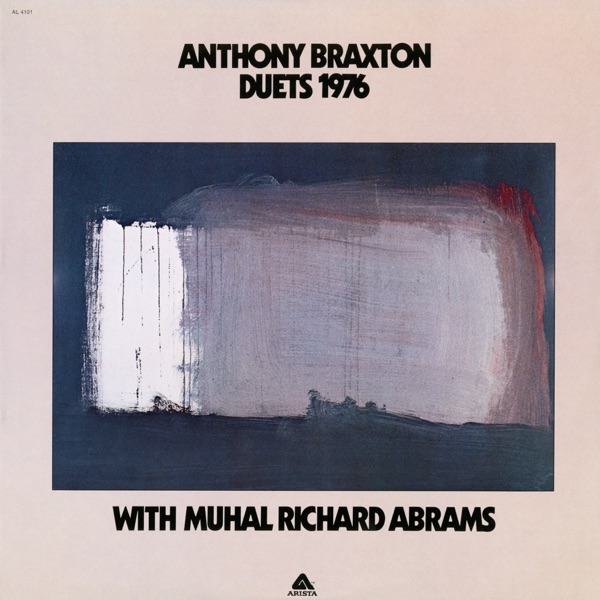
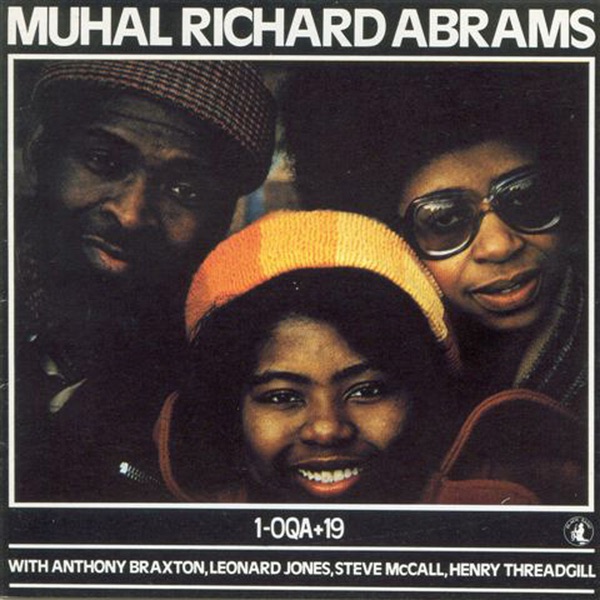
Before most people outside Chicago had heard of him, Abrams was already doing the organizational work that made an entire generation of players possible. The AACM — the collective he helped found — gave musicians like Anthony Braxton, Roscoe Mitchell, and Henry Threadgill a place to rehearse, perform, and develop ideas outside the commercial pressures of the club circuit. Abrams wasn't just a musician; he was running something closer to a community institution, and he did it without fanfare or a publicist.
As a pianist, he's genuinely hard to place, which is part of what makes him worth your time. He came up playing hard bop and could swing with real authority when he wanted to, but he was just as comfortable pulling the music apart into abstract textures or letting a piece drift into near-silence. His touch at the piano was deliberate — he didn't pile on notes to fill space. When you hear him play something spare and slow, it doesn't feel empty. It feels considered.
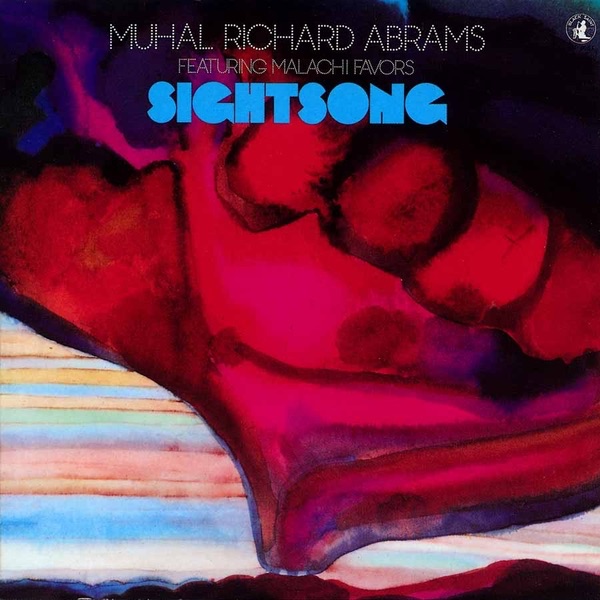
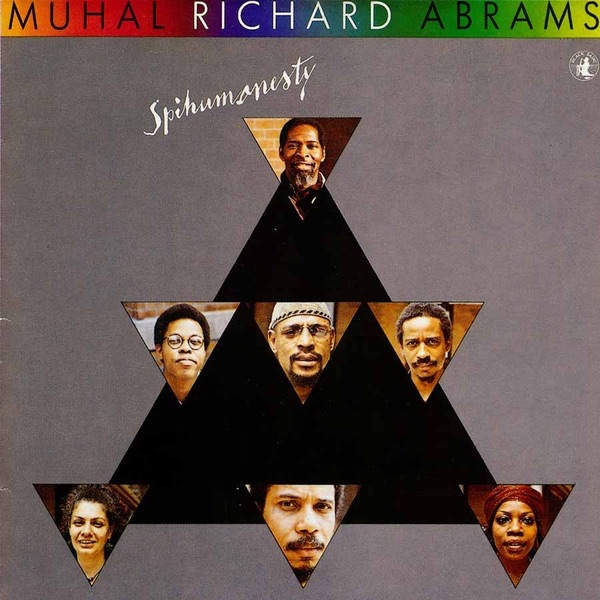
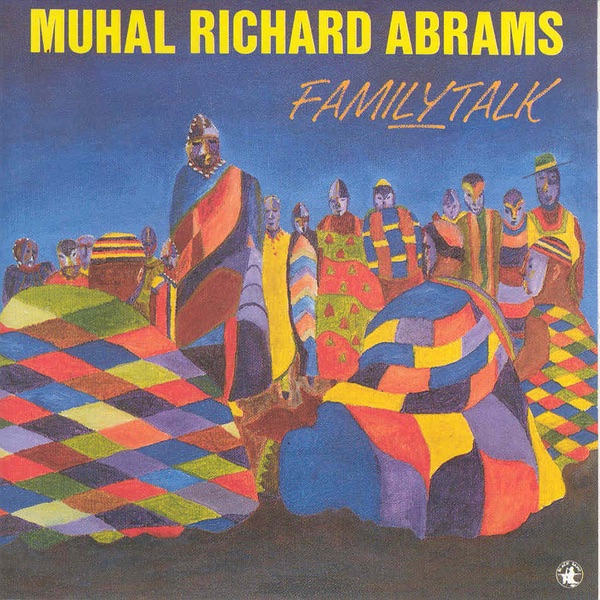
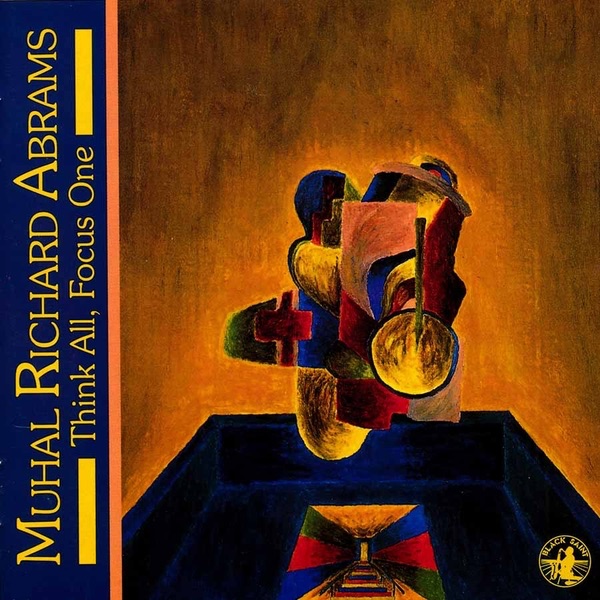
His recordings for the Black Saint and Soul Note labels in the 1970s and 80s are where most listeners find him. Levels and Degrees of Light (1968) is a good place to start — it's an early one, recorded in Chicago, and it captures that AACM sensibility perfectly: jazz instrumentation used in ways that feel genuinely exploratory without being deliberately difficult. Spihumonesty (1980) is stranger and more rewarding once you've spent some time with him. He was also a serious composer working with larger ensembles, and those orchestral pieces can be dense, but they repay patience.
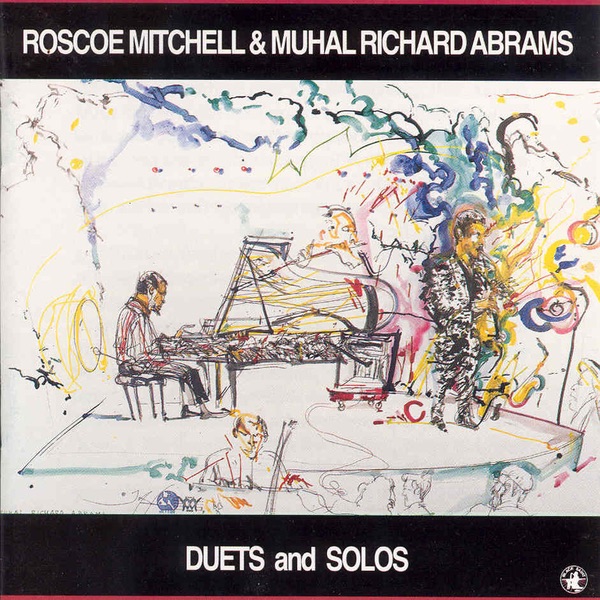
What's easy to miss about Abrams is how warm his music actually is. The word 'avant-garde' tends to make people brace for something cold and confrontational. His work isn't that. There's humor in it, and blues feeling, and a genuine affection for the musicians he played with. Roscoe Mitchell once described the AACM as a kind of family, and you can hear that in how the music breathes — there's real trust between the players.
He kept working well into his eighties, recording and composing until close to the end of his life. The later records don't show any coasting or recycling of old ideas — if anything, he got more adventurous with electronics and chamber textures as he aged. That kind of sustained curiosity is rarer than people admit. He wasn't trying to protect a reputation. He was just following the music wherever it went.