1976 · Album
Sightsong
Recorded 1976 · Black Saint · Produced by Not specified in verified sources
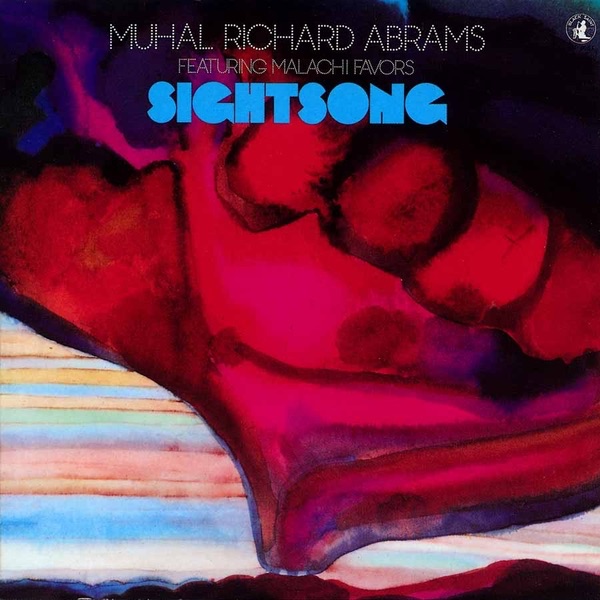
Two Voices Exploring the AACM's Heart
Abrams and Favors dig into the radical roots of Chicago's avant-garde, finding tradition in the friction.
In 1976, Muhal Richard Abrams and Malachi Favors entered the studio together with a clear intention: to map the philosophical and sonic territory the AACM had staked out. This was Favors stepping outside his role as the steady pulse of the Art Ensemble of Chicago, and Abrams working in close partnership rather than leading an ensemble. The decision to keep the session lean—just two voices—meant every choice landed harder. There was nowhere to hide, no dense arrangements to lean on, only the direct conversation between Abrams' compositional thinking and Favors' bass work.
What emerged was a record that honored where the AACM came from without retreating into nostalgia. The AllMusic reviewer Brian Olewnick heard in it "one of Abrams's finest recordings and is also perhaps the best showcase for Malachi Favors' talents outside of his seminal work with the Art Ensemble of Chicago." The Rolling Stone Jazz Record Guide described it as "a more successful survey from 1975 with Art Ensemble bassist Malachi Favors along to help Abrams explore the AACM's roots." The Penguin Guide to Jazz Recordings found it "a perfect example of the radical/traditionalist ethos Abrams has done so much to foster."
This sits high in Abrams' catalog—not a beginning, but a statement of purpose at a moment when he'd already established himself as a crucial voice in Chicago's creative music scene. The album proves that Favors was far more than a timekeeping foundation; he was a full musical thinker capable of holding his own against one of jazz's most demanding improvisers and composers.