Chamber Music for a Restless Big Band
Abrams' finest achievement: ambitious compositions balancing brass, strings, and percussion with masterful discipline.
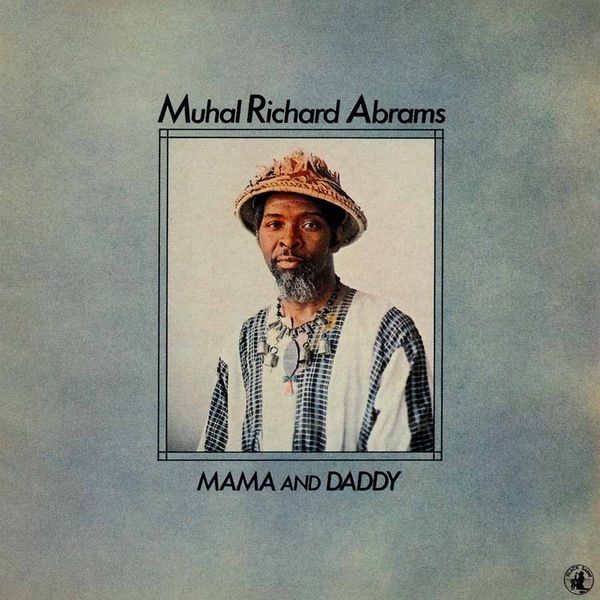
From the first moments of Mama and Daddy (1980), you hear the difference between a big band playing charts and a big band playing chamber music. The ten-piece ensemble moves with deliberate weight, the brass and strings interweaving rather than clashing, percussion punctuating space rather than filling it. Muhal Richard Abrams' compositions give the musicians room to breathe, and they use it—each voice distinct, each phrase considered. This is disciplined ensemble playing at a high level, but it never sounds stiff or academic.
By 1980, Abrams had spent years thinking about how to enlarge the sound of free jazz without losing its adventurousness. Here, he found an answer: give strong melodies to large forces and let the arrangement do the thinking. The four compositions Abrams wrote for this session show a composer who understood balance—how to blend instruments so that nothing overwhelms, how to build momentum without relying on volume. The result sits somewhere between orchestral sophistication and the raw energy of ensemble improvisation, closer to what you might call black chamber music than to swing or bebop.
Rolling Stone's Jazz Record Guide recognized this immediately, calling it his finest work in any format. The album has only become clearer in purpose over time: it shows a path forward for jazz composition that rejected the false choice between complexity and accessibility. This is ambitious music played by musicians who understood what Abrams was after and executed it with care.
Who's playing
Brian Smithdouble bass
George Lewistrombone
Thurman Barkerpercussion
Andrew Cyrillepercussion
Muhal Richard Abramsinstrument
Baikida Carrollbrass
Vincent ChanceyFrench horn
Leroy Jenkinsviolin
Wallace McMillaninstrument
Bob Stewarttuba
Where next?
More by Muhal Richard Abrams

Things to Come From Those Now Gone 1975

Levels and Degrees of Light 1968
Sightsong 1976

Young at Heart / Wise in Time 1970
The musicians on this record
Their own records, close in time