1968 · Album
Levels and Degrees of Light
Recorded 1968 · Delmark · Produced by Not specified in provided sources

A Composer Stakes His Claim
Abrams announces himself not as a sideman but as a bandleader with something deliberate to say.
Levels and Degrees of Light arrives as Abrams' first statement under his own name, and he uses it to establish authority rather than explore tentatively. This is a debut that doesn't sound like one — no apprenticeship, no hedging. He assembles a band of Chicago players, including Anthony Braxton, Leroy Jenkins, and Maurice McIntyre, and gives them three of his compositions to navigate. The first side works. Penthouse vocal textures and David Moore's poetry reading create space and intention; the music feels considered, less like free improvisation than like structured pieces that happen to contain freedom. The second side fractures. The recording quality deteriorates noticeably, and what might have been bold — a wall of collective sound — instead reads as murky and difficult to parse. AllMusic awarded it 4.5 stars, recognizing the ambition even if execution wavered. The Penguin Guide noted the album's relative coherence compared to wilder Chicago experimentation of the period, though it stopped short of full embrace. Rolling Stone's Jazz Record Guide had less patience, finding the first side intriguing but the second side poorly captured noise. That split judgment has stuck: Levels and Degrees of Light matters as the moment Abrams claimed leadership and compositional voice, but it's uneven enough that it's not the place most listeners start. Come to it after you've heard him work with stronger material or clearer recording, then return to understand what he was reaching for.
Who's playing
Leonard Jonesbass
Muhal Richard Abramspiano
Anthony Braxtonalto saxophone
Kalaparusha Maurice McIntyretenor saxophone
Thurman Barkerdrums
Leroy Jenkinsviolin
Where next?
More by Muhal Richard Abrams

Things to Come From Those Now Gone 1975
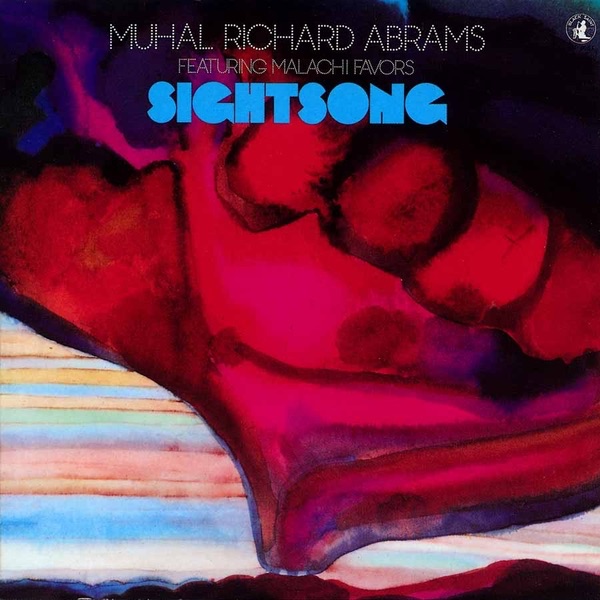
Sightsong 1976

Young at Heart / Wise in Time 1970
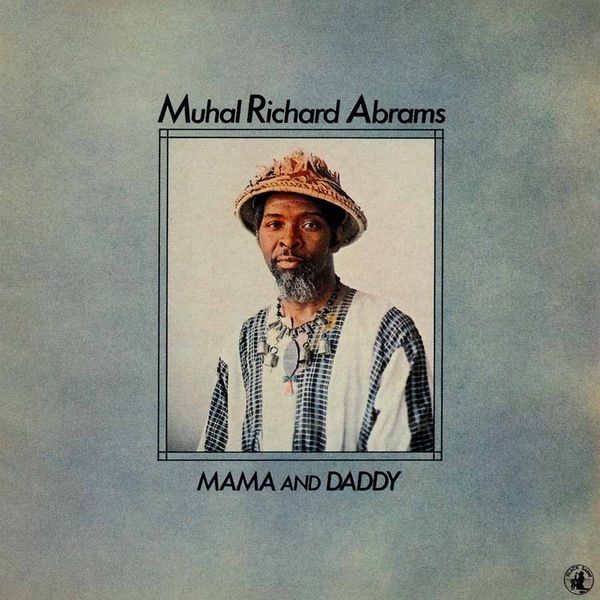
Mama and Daddy 1980
The musicians on this record
Their own records, close in time