Great Black Music, Ancient to Future
The Art Ensemble came together in Chicago in the late 1960s out of the AACM, a collective that was doing something unusual for the time — treating improvised music as serious art that deserved its own infrastructure. Roscoe Mitchell, Joseph Jarman, Lester Bowie, Malachi Favors, and later Don Moye were the core group, and from the start they operated as a genuine collective, not a leader with sidemen. Their motto, "Great Black Music — Ancient to Future," wasn't just a slogan. It was a working method.
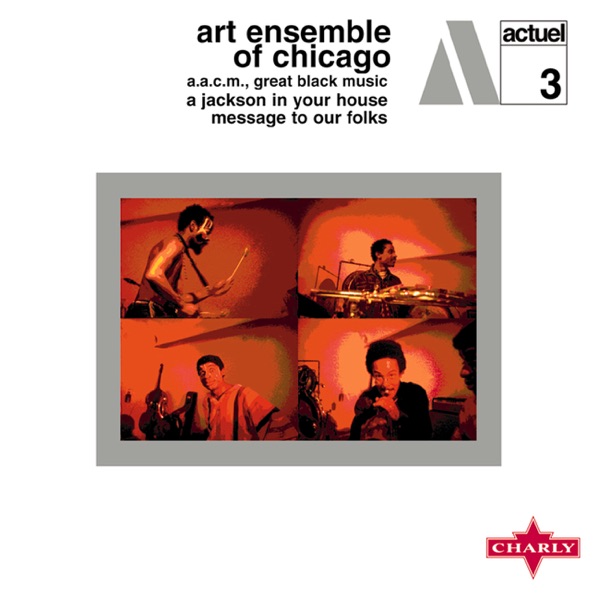
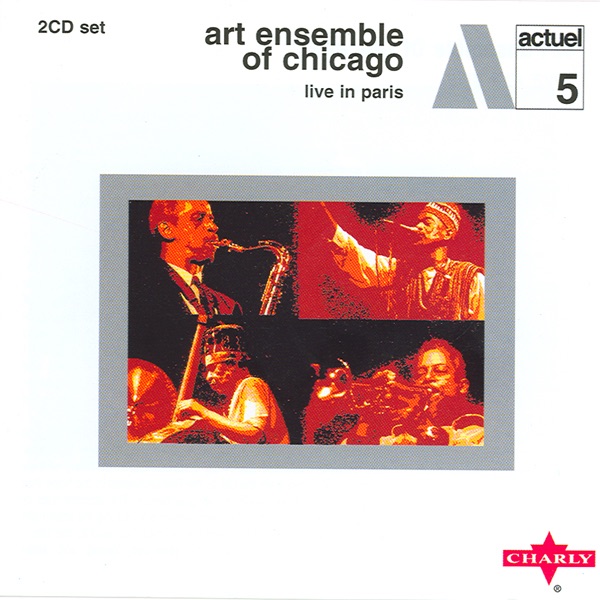
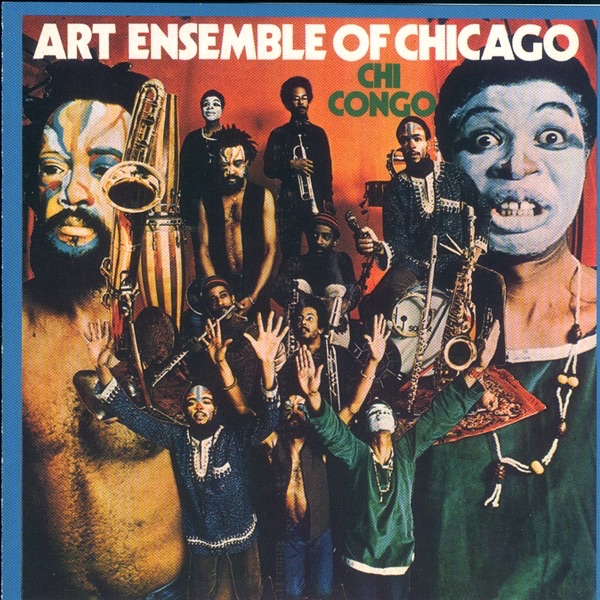
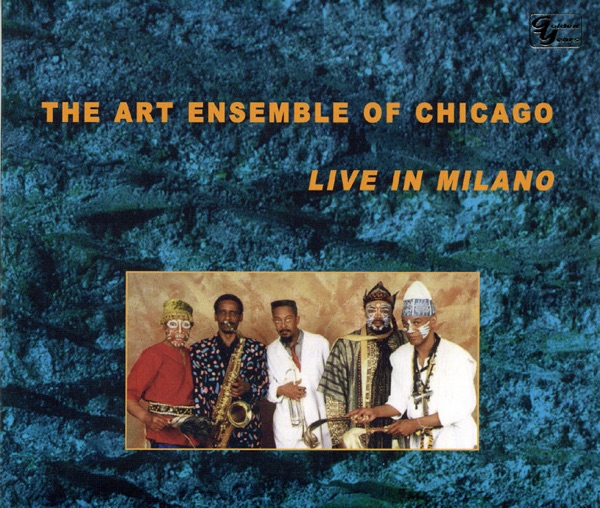
When they moved to Paris in 1969, they found an audience that was more ready for them than Chicago had been. The European free jazz scene was already open to extended performance, and the Art Ensemble leaned into the theatrical side hard. Lester Bowie performed in a lab coat. Members covered their faces in paint. The stage would be loaded with hundreds of instruments — African drums, bike horns, bells, bass clarinet, the full range — and a single concert might move from near silence to full chaos and back again. It sounds gimmicky described like that, but hearing the recordings, you realize the theatrics and the music were never separate things.
The actual sound is harder to pin down than the mythology. At their most intense, they could generate the kind of dense collective improvisation that will clear a room if the listener isn't ready for it. But they were also genuinely funny, and that matters. Lester Bowie's playing in particular had this wry, almost conversational quality — he could quote a pop song in the middle of a free passage and make it feel completely natural. Albums like Fanfare for the Warriors (1973) and Nice Guys (1978) show the range: sprawling, demanding, but also playful and deeply aware of how absurd and beautiful music can be at the same time.
What held it together over decades was the commitment to collective decision-making and to range. They weren't trying to be the most extreme or the most accessible — they were trying to hold as much of African American musical history in the room as possible, from blues and swing through bebop and free improvisation and African percussion. Whether that added up to a coherent statement depended on the night, honestly. Some performances land and some sprawl without resolution. But the ambition was real, not performed.
The group kept going through personnel losses and changing contexts. Lester Bowie died in 1999, Joseph Jarman stepped away for years before returning, Malachi Favors died in 2004. Roscoe Mitchell and Don Moye have continued performing as the Art Ensemble into the 2020s, sometimes with collaborators filling the other chairs. Whether it's the same band is a reasonable question, but the project itself — the idea that improvised music can carry this much history without collapsing under the weight of it — remains worth paying attention to.