1972 · Album
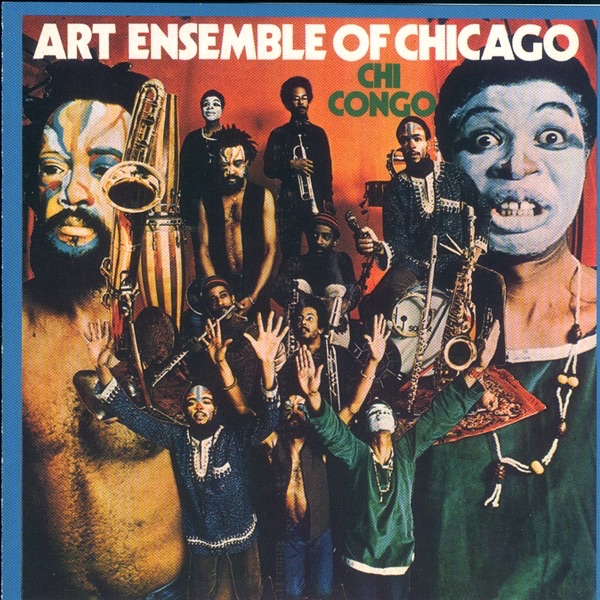
Chi-Congo
Recorded 1967 · Nessa Records · Produced by Charles Stepney
Ritual and Reinvention in the Congo
The Art Ensemble transforms jazz into something raw, ceremonial, and completely alive.
Chi-Congo stands as one of the Art Ensemble of Chicago's most adventurous recordings, a project that takes the group's already experimental approach and pushes it toward something more primal and grounded. This isn't the kind of album that announces itself with a clear melody or a driving groove. Instead, it unfolds like a ritual—pieces build from silence, voices emerge from layers of sound, and instruments blend in ways that feel almost orchestral even when the group is playing sparse and minimal. The record captures the ensemble at a moment when they were genuinely interested in exploring African roots and ceremonial music without simply copying them. That distinction matters. This isn't appropriation; it's a genuine conversation between jazz innovation and deeper musical traditions.
What makes Chi-Congo distinct from their other work is its commitment to atmosphere and collective improvisation over the kind of structured compositions that define some of their more accessible records. Tracks move slowly, building intensity through repetition and layering rather than narrative arc. The performances feel deliberate and weighty, like each member is listening intensely and responding to something larger than any single musician's vision. There's percussion work here that sounds like it belongs in a real ceremony, not a jazz club. Vocals aren't always singing in the traditional sense—they're often textural, rhythmic, part of the overall sound rather than separate from it.
This is early-to-mid-period Art Ensemble work, and it's definitely not the entry point for newcomers. Start with something like People in Sorrow (1969) if you want the group at their most focused and powerful. But Chi-Congo matters for serious listeners because it documents a specific artistic moment—a time when these musicians were genuinely restless, genuinely curious about what jazz could become when you stopped thinking of it as entertainment and started thinking of it as ritual.