1969 · Album
People in Sorrow
Recorded 1969 · Nessa Records · Produced by Art Ensemble of Chicago

Voices Crying Out in the Wilderness
The Art Ensemble refuses easy answers, confronting listeners with raw emotion and unflinching honesty.
People in Sorrow is the Art Ensemble of Chicago at their most direct and least apologetic. This isn't a record that wants to entertain you or make things comfortable. It's angry, mournful, and genuinely unsettling in ways that most jazz records aren't willing to be. The group moves between moments of almost unbearable tenderness and sudden eruptions of controlled chaos, never letting you settle into a groove or feel safe. What makes this record distinct is how little the ensemble seems to care about traditional song structure or the expectations listeners bring to jazz. They treat instruments like voices in a conversation that's having trouble communicating.
For anyone coming to the Art Ensemble for the first time, this isn't where you start—try Certain Blacks (1970) or their later ECM work if you want something more immediately accessible. People in Sorrow is early in the group's evolution, and it shows them working out what they're capable of without any safety net. The recording captures real struggle and experimentation, which is valuable precisely because it doesn't always succeed. Some moments feel rushed or uncertain, but that uncertainty is the point. They're not performing mastery; they're performing the work of finding out who they are.
The record's power comes from its commitment to sorrow as an aesthetic rather than a momentary feeling to express and move past. These aren't sad songs with beginnings and endings. They're sustained explorations of grief, protest, and confusion that bleed into each other. If you're patient with it, People in Sorrow reveals itself as one of the group's most essential documents—not their most polished work, but their most honest one.
Who's playing
Where next?
More by Art Ensemble of Chicago
All 49 albums →

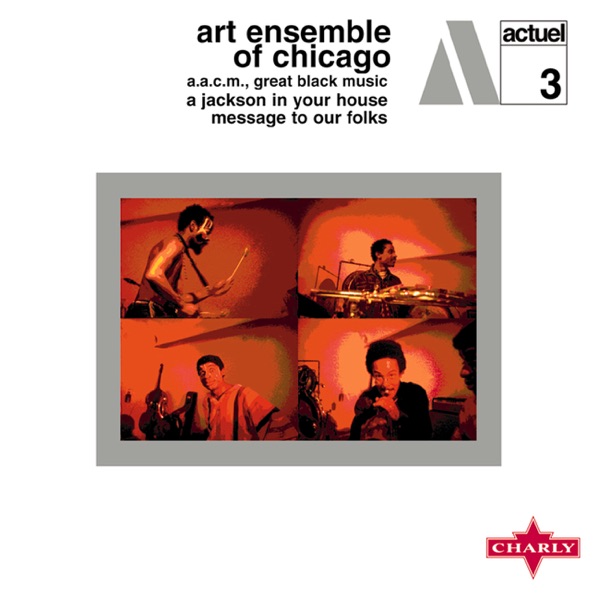

The musicians on this record
Old / Quartet 1975
Roscoe Mitchell
plays woodwind here
plays woodwind here

Numbers 1 & 2 1967
Lester Bowie
plays brass here
plays brass here

As If It Were the Seasons 1968
Joseph Jarman
plays woodwind here
plays woodwind here


